
Winter brings freezing temperatures, shorter days, and—if you’re lucky, a beautiful blanket of snow across your property. While snow can provide some turf benefits like protection from harsh winds and temperature swings, it can also create the perfect environment for a common cold-weather lawn disease known as snow mold.
Luckily, snow mold is usually just a cosmetic setback. With years of experience caring for lawns in our area, we can help homeowners identify and manage snow mold; helping your lawn bounce back healthy and green each spring. Here is what we think you should know about this winter lawn disease.
What is Snow Mold?
Snow mold is a fungal lawn disease appearing as white, gray, or pink patches of matted grass after snow melts. It becomes active when turf stays cool and wet for extended periods of time, especially under snow cover in late winter and early spring. Like all turf diseases, it thrives in moist conditions, with snow cover providing a sanctuary for disease activity.
There are two primary types we see in NJ and PA. Both favor matted, damp turf that doesn’t get enough air movement or sunlight. These varieties are called gray snow mold and pink snow mold.
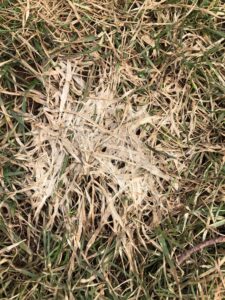
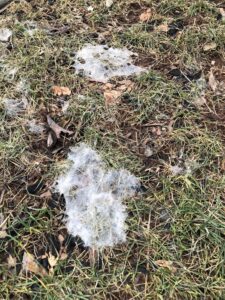
1. Gray Snow Mold
- Develops under long-lasting snow cover
- Appears as white, gray, or silvery circular patches
- Can survive in frozen soil
- Damages turf blades but not crown or roots, making it a cosmetic disease
2. Pink Snow Mold
- Can develop with or without snow cover
- Appears as pinkish or salmon-colored patches
- Begins in small patches that converge into large, irregular areas
- Can cause more severe damage if left untreated
- Prefers extended cold, wet, or damp conditions
Conditions That Favor Snow Mold
Conditions Within a Homeowner’s Control
o Grass Left Too Long Going into Winter
o Heavy Leaf Debris Left on the Lawn
o Excessive Thatch Build-Up
o Over-Watering or Improper Watering Timing
o Imbalanced or Inadequate soil Fertility
o Skipping Fall Core Aeration
o Snow Piled Too Deep in One Area
o Clutter or Yard Items Left on the Grass
Conditions Outside a Homeowner’s Control
o Early, Heavy, or Prolonged Snow Cover
o Long Periods of Cool, Wet Weather
o Frequent Freeze-Thaw Cycles
o Grass Type and Susceptibility
o Shade That Keeps Snow from Melting
o Poor Natural Drainage or Low Spots



o Regional Climate Patterns
New Jersey’s winters—cold, wet, and variable—naturally favor both pink and gray snow mold.
While some conditions that favor snow mold—like weather patterns and early snowfall—are out of your control, preventive steps can significantly reduce your lawn’s risk. Proper mowing, debris cleanup, soil health, aeration, and mindful watering all impact moisture content of the soil. Proper drainage and increased air flow are pivotal steps to decreasing snow mold activity on your property.
Grass Types More Prone to Snow Mold (and Why)
Not all turfgrass species respond the same way to winter conditions. Some common cool-season grasses found in our area are more susceptible to snow mold due to how they grow, hold moisture, and respond to wintry weather.
Kentucky Bluegrass is one of the most affected grass types. It has a dense growing pattern. This traps moisture and reduces airflow at the soil surface, especially when grass is left too tall going into winter. While Kentucky bluegrass spreads aggressively and usually recovers well in spring, its density makes it an ideal environment for snow mold fungi to develop under snow cover.
Creeping Bentgrass, often found in older lawns, is particularly vulnerable. It grows very densely, produces significant thatch, and stays moist longer than most turf types. Bentgrass also tends to remain greener later into fall, which can encourage fungal activity if snow arrives before the ground freezes.
Fine fescues can also be prone to snow mold, especially in shaded areas. These grasses have fine blades that mat down easily under snow, limiting airflow and sunlight when snow melts. Shade further slows drying, allowing the disease to persist longer.
While grass type alone does not guarantee snow mold will occur, it plays a significant role in how severe the symptoms may appear and how quickly the lawn recovers in the spring.
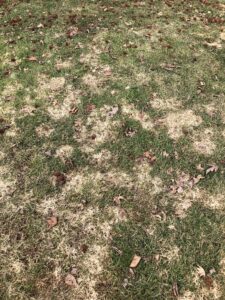
What Does Snow Mold Look Like?
After the snow melts, look for:
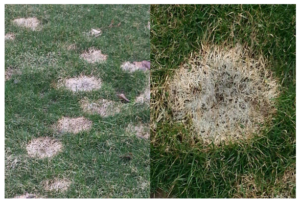
- Circular patches 3-13 in wide
- White, gray, or pink fuzzy growth
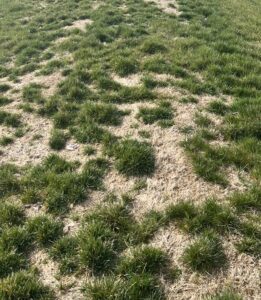
- Matted, flattened grass
- Straw-colored or tan turf
- Slimy or crusty patches
We understand that seeing these signs as the snow melts away can be alarming. Keep in mind that fortunately this is mostly a cosmetic lawn disease. This means that while the turf blades have been damaged, the crowns and roots are still alive. Lawns that are well cared for can naturally recover throughout the spring.
How To Treat Snow Mold Once It Appears
Since snow mold typically only impacts the grass blades, it can be grown out throughout the spring when your lawn comes out of dormancy. Here are a few extra steps that can be taken to help your lawn recover:
- Lightly rake the affected area to increase air flow and encourage new growth
- Resume proper fertilization with a balanced spring fertilizer-this is the cornerstone of our lawn care programs.
- Improve drainage and reduce shade- two factors which heavily contribute to all lawn diseases
- Overseed thin and damaged areas in the fall
In recurrent, severe cases a preventative fungicide can be applied before the first snow fall. This will help minimize disease activity.
Our customers get the benefit of early spring monitoring done by our licensed and trained technicians. With our first spring application we will evaluate your lawn for any potential issues and make the necessary recommendations.
How To Prevent Snow Mold
Preventative care should begin in the fall. Here are some things you can do to prevent snow mold in the first place:
- Mow your lawn short before winter (Think 2.5 inches)
- Remove leaves from the lawn to decrease turf smothering
- Core Aerate to relieve soil compaction and improve drainage
- Keep snow piles as small as possible
Fairway Green’s seasonal lawn care programs help maintain healthy turf, naturally improving disease resistance.
Final Thoughts
Snow melts, spring arrives — and with the right care, a lush, green lawn does too. This common lawn disease does not have to derail your lawn care goals. By understanding what causes it and following preventative measures – you can help ensure that snow mold is just a brief seasonal hiccup.
If you suspect snow mold on your lawn or are looking for further lawn care guidance, we are here to help.
Call Fairway Green, Inc. at (908) 281-7888 to speak with our team, or request service online.
Frequently Asked Questions About Snow Mold
Q: What is snow mold?
A: Snow mold is a fungal lawn disease that develops during late winter and early spring when grass remains cold, wet, and covered by snow or prolonged moisture. It becomes visible after snow melts and appears as circular, discolored, and patches of turf.
Q: What are the types of snow mold found in New Jersey?
A: The two most common types in our area are pink snow mold and gray snow mold. Pink snow mold can develop with or without snow cover, while gray snow mold only occurs with extended snow cover.
Q:What does snow mold look like on a lawn?
A: Snow mold often appears as straw-colored, white, gray, silver, or pink patches that are matted or crusty. Patches can range from a few inches wide to larger irregular areas when multiple spots merge.
Q: When does snow mold typically appear?
A: Snow mold usually becomes visible as snow melts in late winter or early spring. Pink snow mold can also develop during extended periods of cool, wet weather even without snow cover.
Q:Does snow mold kill my lawn?
A: In most cases, no. Snow mold typically affects only the grass blades, not the crown or roots. This means the lawn often recovers naturally with proper spring lawn care.
Q: Should I apply fungicide if I see snow mold?
A: This is not typically necessary. Applying fungicides after snow mold symptoms appear in spring is not effective. Applying a fungicide on the lawn prior to snowfall at the beginning of the winter can decrease disease activity for lawns with severe, recurring issues.
Q:What conditions increase the risk of snow mold?
A: Snow mold loves long-lasting snow cover, cool and wet weather, excessive thatch, tall grass going into winter, poor drainage, and areas that remain shaded and damp.
Q: Can snow mold be prevented?
A: While it can’t be eliminated, the risk can be greatly reduced following proper cultural practices.
Q: When should I contact Fairway Green about snow mold?
A: If snow mold appears severe, slow to recover, or occurs repeatedly in the same areas each year, it may indicate underlying issues such as drainage, compaction, or soil health problems. Feel free to contact Fairway Green, Inc. anytime at 908-281-7888 for professional guidance or a lawn evaluation.