
As autumn settles in and the lush green begins to fade, you may notice your lawn slowing down, turning tan and losing its luster. You might be wondering: Is my lawn dying?
The answer, in most cases, is no-your grass is simply entering dormancy, a natural and necessary resting period that helps it survive the cold months ahead.
Let’s break down what dormancy means, why it happens, and how to care for your lawn during this critical phase.

What Is Lawn Dormancy?
Dormancy is your lawn’s way of conserving energy when conditions are not ideal for growth. As soil temperatures drop and daylight decreases in late fall, cool season grasses such as Kentucky bluegrass, ryegrass and fescue begin to slow their metabolism.
By winter, the grass blades may appear brown or straw-colored, but the root system and crown remain alive underground. The lawn is not dying, it’s sleeping. Think of dormancy as your lawn’s version of hibernation: a period of rest and protection until favorable growing conditions return.
When Does Dormancy Start?
In NJ and PA, lawn dormancy typically begins early December, depending on the year’s weather patterns. Once soil temperatures fall consistently below 45°F ,grass growth essentially pauses.
Dormancy usually lasts through early March, when increasing sunlight and warmer soil temperatures trigger new growth.
You’ll notice these signs when your lawn is going dormant:
· Slower growth and fewer mowings
· Fading color-from rich green to light brown or tan
· Firmer, less flexible blades
· Reduced watering needs
Why Lawn Dormancy Is Important 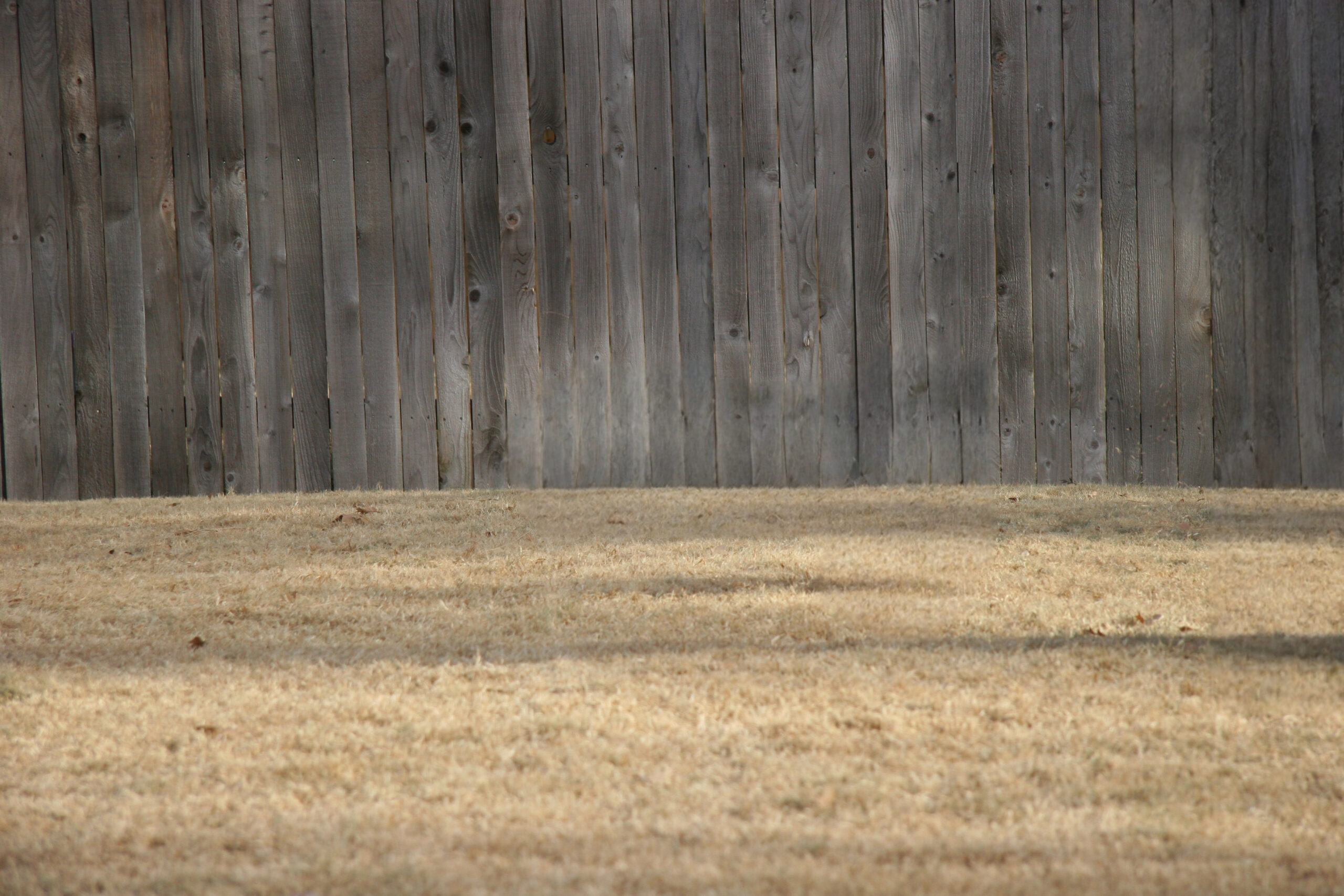
Dormancy is a vital survival mechanism for turfgrass. It helps your lawn:
· Conserve water and nutrients during cold, dry months
· Protect roots from freezing temperatures
· Prevent energy loss by pausing growth



· Store carbohydrates for a strong spring revival
Without dormancy, lawns would be far more susceptible to winterkill and disease.
How To Care For Your Dormant Lawn
We recommend a few simple steps to protect your lawn through fall and winter dormancy:
1. Keep Leaves Clear
Before the first snow, rake, or mulch fallen leaves. A thick blanket of wet leaves can block sunlight, trap moisture, and create conditions for snow mold.
2. Minimize Traffic
Avoid walking or parking on dormant or frozen grass. The blades are fragile and can easily break, leading to dead patches in spring.
3. Schedule a Wintering Fertilizer
A late-fall fertilizer (applied right before dormancy) strengthens roots and stores nutrients for next season’s growth. We include this treatment in our standard Gold and Platinum lawn care programs.
4. Be Careful with Snow and Salt
Pile shoveled snow in areas away from the lawn and avoid salt-heavy deicers. Choose calcium-based ice melts instead-they are safer on turf.
5. Stay Patient
Don’t panic if your lawn stays brown a little longer in early spring. Once soil temperatures rise, your grass will “wake up” naturally.
Preparing For Spring Recovery
As soil temperatures warm and daylight returns, dormant lawns begin to green up again. This is when we at Fairway Green apply the right combination of:
· Early-spring fertilization
· Pre-emergent weed control
· Broadleaf weed control
Our lawn care programs are designed to help your lawn transition smoothly out of dormancy and thrive through the growing season. Schedule your spring service today to give your lawn a strong start.
Frequently Asked Questions about Lawn Winter Dormancy
Here are some of the most common questions we receive from our customers about fall and winter lawn dormancy:
Q: My lawn looks brown- is it dead or dormant?
A: If your lawn turns uniformly tan in the late fall and feels firm at the roots, it’s likely dormant, not dead. A dead lawn will have brittle, dry roots that pull up easily.
Q: Should I water my lawn during the winter?
A: Typically, no. Once the ground is frozen, watering has an insignificant effect. In late fall, before the freeze, a deep watering can help the grass store moisture-but during winter, nature handles it through snow and frost.
Q: Can I fertilize my lawn in winter?
A: We don’t recommend fertilizing during deep winter dormancy. Instead, schedule a winterizing fertilizer in late fall before the ground freezes. This helps the lawn store nutrients for early-spring green-up.
Q: Will walking on dormant grass harm it?
A: Yes—especially when it’s frozen. Foot traffic on dormant or icy lawns can crush the blades and damage crowns, leaving visible footprints and bare spots in spring.