
Winters across Central New Jersey and Eastern Pennsylvania rarely behave the same way twice. Over the past few years, we have experienced lower snowfall totals, quick melts, and relatively mild temperatures. This winter, however, has brought an extended stretch of snowpack and ice accumulation that can significantly impact turf health.
While your lawn may appear safely dormant beneath the snow, turfgrass is still alive. Beneath the surface, plants continue slow metabolic processes and when winter conditions persist, the stress placed on those plants can lead to winter lawn damage that often isn’t discovered until spring.
We typically refer to this winter lawn damage as winterkill, an umbrella term used to describe turf loss caused by environmental stress, moisture extremes, ice cover, disease pressure, and temperature fluctuations throughout the winter. We anticipate winterkill will be more widespread this spring, following the noticeably cold and snowy season we have experienced.
Here at Fairway Green Inc., we often remind homeowners that what looks like “dead grass” after winter is usually the result of several overlapping winter stresses rather than a single event. Understanding how winter conditions affect turfgrass is one of the most important steps in protecting long-term lawn health.
Below, we outline the most common sources of winter lawn damage and what, if anything, can be done to set your lawn up for success this spring.
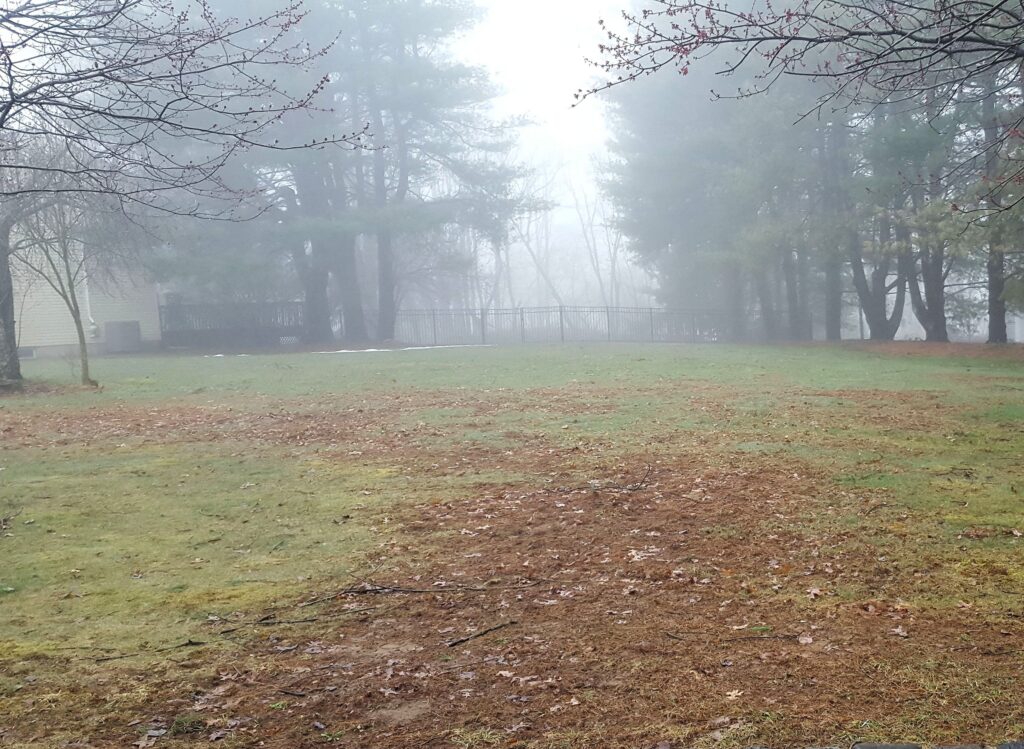
Most Common Causes of Winter Lawn Damage
- Extended ice cover
- Extreme cold
- Rapid temperature swings
- Excess moisture
- Dehydration
- Disease activity
- Oxygen deprivation
- Soil compaction
- Rodent activity
- Salt and mechanical injury
Because every property has slightly different soil conditions, drainage patterns, and exposure to sun and wind, winter lawn damage can vary dramatically — even between neighboring lawns.
What Is Winterkill?
Winterkill occurs when turfgrass is unable to tolerate the environmental pressures of winter. Even healthy lawns can be affected when conditions become severe and prolonged enough.
Nearly 40 years of experience managing lawns in our region has taught us that the harsh winter conditions we’ve experienced this year — sustained cold paired with consistent snow and ice covers, will likely lead to more damaged grass than we have seen during the past few milder winters.
Common contributors include:
- Extended ice cover
- Extreme cold
- Rapid temperature swings
- Excess moisture
- Dehydration
- Disease activity
- Oxygen deprivation
Because every property has slightly different soil conditions, drainage patterns, and exposure to sun and wind, you can expect winter damage to vary significantly from one property to the next.
Ice Encasement and Oxygen Deprivation
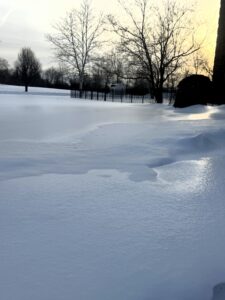
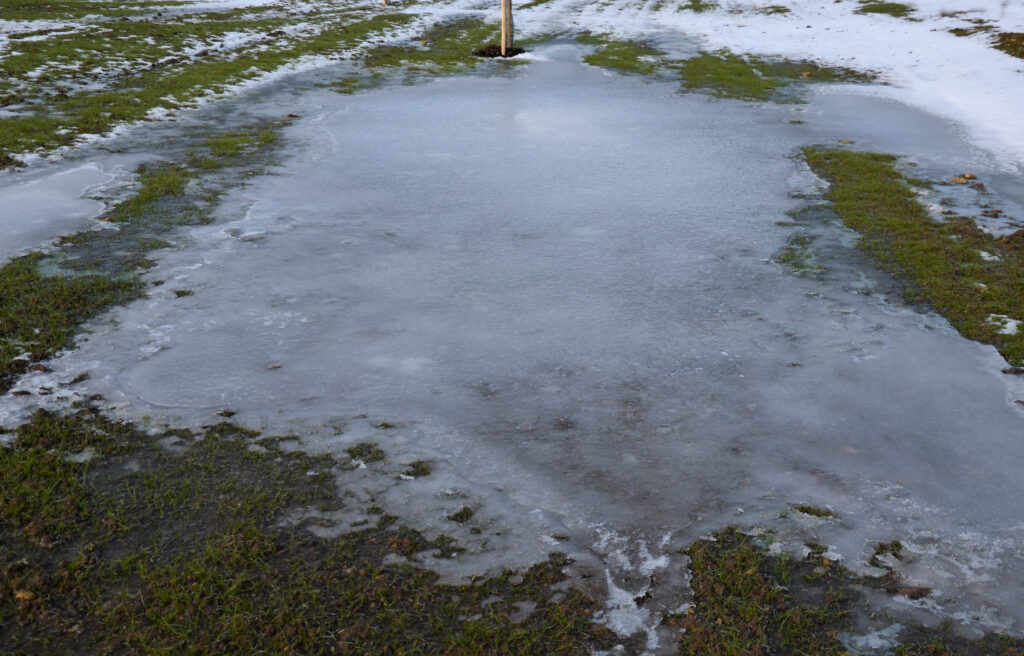
Ice encasement occurs when a thick layer of ice forms over your lawn. This winter’s cold temperatures and ice storms have left many local properties with prolonged ice cover.
Turf death from ice encasement happens when the frozen layer restricts the natural exchange of gases between the turf and the atmosphere. Although grass remains dormant during winter, it continues to respire beneath the ice. Over time, oxygen becomes depleted while harmful gases — including carbon dioxide — accumulate. When ice persists for several weeks or longer, these conditions can ultimately lead to turf loss.
The severity of damage depends on several factors:
- Thickness of the ice
- Duration of encasement
- Grass species
- Overall lawn health heading into winter
Certain grass species are more susceptible. Annual bluegrass and perennial ryegrass have a lower tolerance for prolonged entrapment compared to creeping bentgrass.
Potential impacts include:
- Thinning turf
- Dead patches of lawn in low areas
- Delayed spring green-up
- Increased disease susceptibility
Properties with poor drainage are particularly vulnerable, which is why correcting water movement is one of the most valuable long-term improvements a homeowner can make.
Ice encasement and turf frost injury will likely be the leading cause of winter turf damage coming out of this winter.
Direct Low-Temperature Injury
Sometimes cold weather alone is enough to cause turf loss. When soil temperatures fall below what grass plants can tolerate, ice crystals may form inside plant cells, causing irreversible damage.
Risk increases when lawns experience:
- Sudden temperature drops
- Extended freezing periods
- Minimal insulating snow cover
- Saturated soils that intensify cold stress
Spring indicators often include:
- Yellow, brown, or black turf
- Large necrotic areas
- Grass that fails to resume growth
Crown Hydration Injury
Crown hydration is another common form of winter turf damage seen throughout New Jersey and Pennsylvania.
During mid-winter thaws or late-winter warm spells, grass plants begin absorbing water. If temperatures suddenly drop — a common occurrence in late winter — that water freezes and expands inside the crown of the plant, rupturing its tissue.
Typical signs include:
- Patchy dieback
- Loose plants that pull easily from the soil
- Thin, uneven turf
Because the crown is where new growth originates, damage here can significantly delay spring green-up and recovery.
Winter Lawn Desiccation
Desiccation is most commonly associated with ornamental trees and shrubs, but it can also affect turfgrass. Unlike moisture-related injuries, desiccation occurs when grass dries out faster than it can replace lost moisture due to frozen soil.



This is especially common on:
- Wind-exposed properties
- Elevated terrain
- South-facing slopes
- Areas without consistent snow cover
Symptoms may include:
- Bleached or tan turf
- Widespread thinning
- Slow green-up
Healthy root systems heading into winter remain one of the strongest defenses against this type of injury.
Soil Compaction from Winter Activities
Soil compaction is one of the most overlooked sources of winter turf damage. While frozen ground may appear firm, it is often saturated throughout much of the season. Repeated pressure from foot traffic, snowblowers, parked equipment, or heavy snow piles compresses soil particles tightly together.
As compaction increases, vital air pockets within the soil begin to disappear. These spaces allow oxygen, water, and nutrients to move freely through the root zone. Without them, grass roots struggle to expand, beneficial microbial activity declines, and overall turf vigor suffers.
Signs Your Lawn May Be Compacted
- Thin or slow-growing turf
- Areas that remain wet long after rainfall
- Increased weed presence
- Patchy growth despite proper fertilization
Left unaddressed, compacted soil can limit the effectiveness of professional lawn care services throughout the growing season.
How to Relieve Soil Compaction
1. Core Aeration – At Least Every Other Year
Professional core aeration removes small plugs of soil, creating pathways that allow air, water, and nutrients to penetrate deeper into the root zone while encouraging stronger downward root growth.
Although spring aeration may seem appealing, our experience designing successful lawn programs consistently shows that fall is the ideal time for this service.
Learn more in our guide: The Benefits of Core Aeration: Why Your Lawn Needs to Breathe.
2. Reduce Early-Season Traffic
Minimize repeated walking on saturated spring soil to prevent additional compression.
3. Improve Drainage
Excess and standing moisture are common enemies of healthy turf. Addressing grading or soil composition issues can reduce compaction risk while helping prevent disease.
4. Build Healthier Soil Over Time
Practices such as aeration and balanced fertilization gradually improve soil structure, making it more resilient.
Vole and Rodent Damage
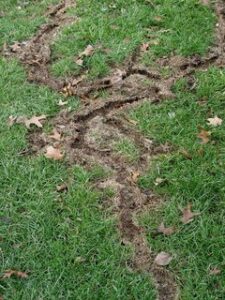
Extended snow cover creates protective tunnel systems for voles and other small rodents. Shielded from predators, they feed on grass crowns (grass growing above ground) throughout the winter.
When the snow melts, damage becomes visible immediately.
Homeowners may notice:
- Narrow surface runways
- Chewed turf
- Irregular dead patches
- Areas slow to green up
While preventing vole or rodent damage is nearly impossible, once your turf starts growing out of dormancy, the damage should be less visible. Proper after-winter and spring lawn care can be very beneficial and small touch up seeding can correct permanent damage. Coming out of winter, vole and rodent tunnels are one of the most common things we get asked to diagnose. If you see something like this on your lawn this spring, feel free to give us a call at 908-281-7888 or request help here.

Snow Mold
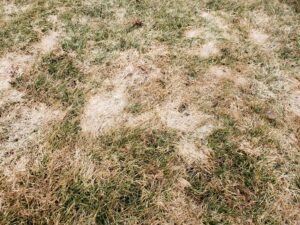
Snow mold is a common winter lawn fungus that develops when turf remains cold, wet, and covered for extended periods. It typically appears as discolored, matted patches after snow melts.
Although it can look alarming, the disease usually affects the grass blades rather than the roots, meaning most lawns recover with proper spring care such as improved airflow, fertilization, and drainage.
Learn more in our guide: Snow Mold: When Winter Hides a Lawn Problem — and How to Fix It.
Mechanical Turf Damage
The final category of winter turf injury results from physical causes such as excessive de-icing agents and snowplow or shoveling damage.
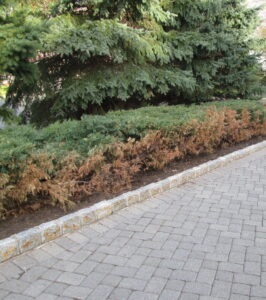
Many de-icing products — particularly sodium chloride — can disrupt soil structure and turf health. Salt spray and runoff often accumulate along driveways, sidewalks, and roadways.
Indicators of salt injury include:
- Burned turf margins
- Stunted growth
- Reduced water infiltration
- Compacted soil
Whenever possible, calcium-based de-icers are typically less harmful to turfgrass.
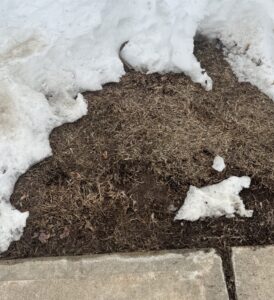
Plow blades can also scrape lawn edges, while piled snow may damage adjacent landscape beds.
Watch for:
- Linear turf loss near pavement
- Compacted snow pile zones
- Soil displacement
- Delayed green-up
Why Professional Evaluation Matters in Early Spring
Many causes of winter lawn damage present with similar symptoms, making accurate diagnosis challenging. This is where our nearly 40 years of hands-on experience provides measurable value.
A professional evaluation allows for:
- Accurate identification of damage
- Soil condition analysis
- Customized recovery planning
- Strategic treatment timing
- Stronger, more uniform turf development
While winter weather is beyond anyone’s control, turf resilience is not. Lawns that enter dormancy in a healthy condition are far better equipped to withstand environmental stress.
Key Preventative Practices
- Proper fall fertilization
- Maintaining ideal mowing height
- Removing excess leaves before winter
- Improving drainage
- Avoiding heavy traffic on dormant turf
- Building strong root systems through core aeration
The result is a lawn that wakes up ready to grow — rather than one struggling to recover.
As the spring sets in, if you are seeing any of these signs of winter damage on your lawn, we are here to help.
Call Fairway Green, Inc. at (908) 281-7888 to speak with our team, or request service online.
Winter Lawn Damage Frequently Asked Questions
Q: Is winter lawn damage permanent?
A: Most winter injuries are not permanent. Cool-season grasses (what your lawn is made of if you’re in our service area) are resilient and often fill in naturally once temperatures stabilize. Severe crown damage, however, may require overseeding.
Q: When should my lawn start greening up?
A: Soil temperature, not air temperature, drives turf growth. If areas remain thin several weeks after consistent warming, it may be time for a professional evaluation. This is a short answer to a nuanced issue. For more information check out this blog.
Q: Does heavy snow damage grass?
A: Consistent light snow on your lawn can actually insulate turf from extreme temperature swings. Many problems occur when snow repeatedly melts and refreezes or when heavy snow and ice cover lawns for extended periods.
Q: Should I rake snow mold areas?
A: A gentle rake can improve airflow and help matted grass stand upright after winter. Avoid aggressive dethatching, which can create additional stress.
Q: Can salt-damaged turf recover?
A: Yes. Spring rainfall often helps flush salts through the soil. More severe cases may benefit from soil amendments and targeted repair strategies.
Q: Why do two neighboring lawns look completely different in spring?
A: Differences in drainage, sun exposure, soil composition, and turf type can dramatically influence how a lawn responds to winter conditions.
Q: What is the best way to prevent winterkill?
A: Preparation is everything. Lawns that are properly fertilized, well-drained, and structurally healthy heading into dormancy almost always perform better come spring.