
Summer is in full swing, and while warm weather makes it perfect to enjoy your outdoor living space, rising temperatures and lack of rainfall can place tremendous stress on your lawn. Maintaining healthy turf takes effort, but mastering a few cultural practices can help keep your yard vibrant all season long.
Watering your lawn properly is one of the most important cultural practices in the summer months. Implementing a consistent and informed watering schedule will greatly improve the appearance of your lawn. It also directly impacts your lawns’ susceptibility to turf diseases, which thrive on poor moisture management.
Most lawns in our service area of Central New Jersey and Eastern Pennsylvania need to receive approximately one to one and a half inches of water per week during the summer. The ideal time to water is between 12 AM and 6 AM, and most lawns only need to be watered twice per week. Deep, infrequent watering promotes stronger roots and helps reduce turf disease pressure.
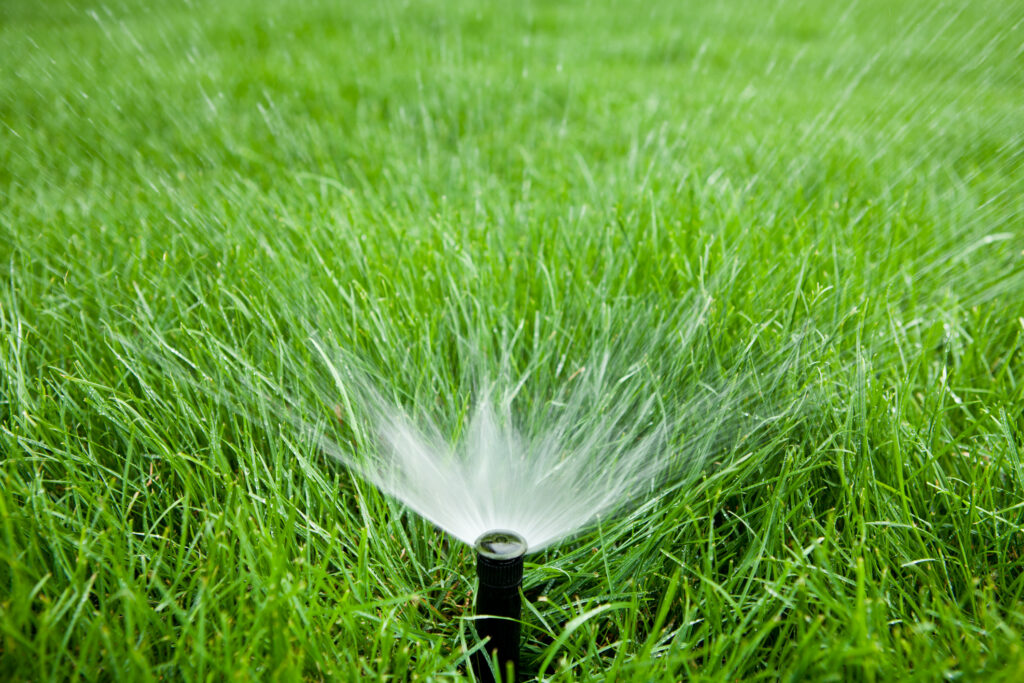
When Should You Start Watering Your Lawn?
The answer largely depends on weather conditions starting in the spring. Some springs are cool and rainy, while others quickly become hot and dry.
In our area, late spring is generally the time to begin watering. If warm temperatures become consistent and rainfall is limited, it’s time to start your sprinklers. The key is really to start before drought stress develops. Keep April or May in mind to start up the sprinklers and take inventory of that year’s rainfall. Getting ahead of watering helps maintain healthy, actively growing turf throughout the summer.
This year has seen hot days and inconsistent rainfall. We recommend you start routinely watering immediately if you haven’t done so already.
What Is the Best Time to Water Your Lawn?
Timing is everything when it comes to watering your lawn. The best time to water is between 12 AM and 6 AM.
Watering during these hours provides several benefits:
1. Minimize Evaporation
Cool temperatures and the absence of sunlight allow more water to reach the soil instead of evaporating into the air.
2. Encourages Deep Root Growth
Water has time to soak deeply into the soil where the roots need it most.
3. Helps Prevent Turf Disease
Grass blades are already wet from morning dew. Watering during this time minimizes the total amount of time leaf blades stay wet, reducing the risk of summer lawn diseases.
How Often Should You Water Grass in Summer?
One of the biggest mistakes homeowners make is watering every day. The best way to water your turf is to mimic natural rainfall.
The golden rule is simple: Water Deeply, But Infrequently
Think of irrigation as recreating a heavy rainstorm. Deep watering promotes deeper roots and creates a healthier, more drought-tolerant lawn. For most lawns, the target is approximately one inch of water per week.
Underground Irrigation Systems
Run each zone for approximately 1 to 1½ hours twice per week.
Hose-End Sprinklers
Hose-end sprinklers work just as effectively as underground irrigation. Using a mechanical timer, water for approximately 2 to 2½ hours twice per week.
Shady Areas Require Less Water
Areas receiving heavy shade often stay moist longer than sunny sections. Reduce watering times to 30-45 minutes in these zones to avoid overwatering and disease.
Tip: Actual run times will vary based on sprinkler type and water pressure. The recommendations in this blog are starting points and benchmarks. We are here to help make more specific recommendations if your property needs them.
How Much Water Does a Lawn Need Per Week?
Most cool-season grass types in Central New Jersey and Eastern Pennsylvania require approximately one to one and a half inches of water per week, including rainfall.
Tall fescue, Kentucky bluegrass, and perennial ryegrass all slow their growth during periods of extreme summer heat. Providing about one inch of moisture weekly helps maintain healthy root systems and improves drought tolerance.
How to Measure One Inch of Water
Using a rain gauge can be helpful for accurately assessing how much water your lawn has received in a week. Home irrigation systems often have them built in as well. Aside from measuring water, you can use some visual cues to tell if your lawn is being watered properly.
Signs Your Lawn Needs
Water
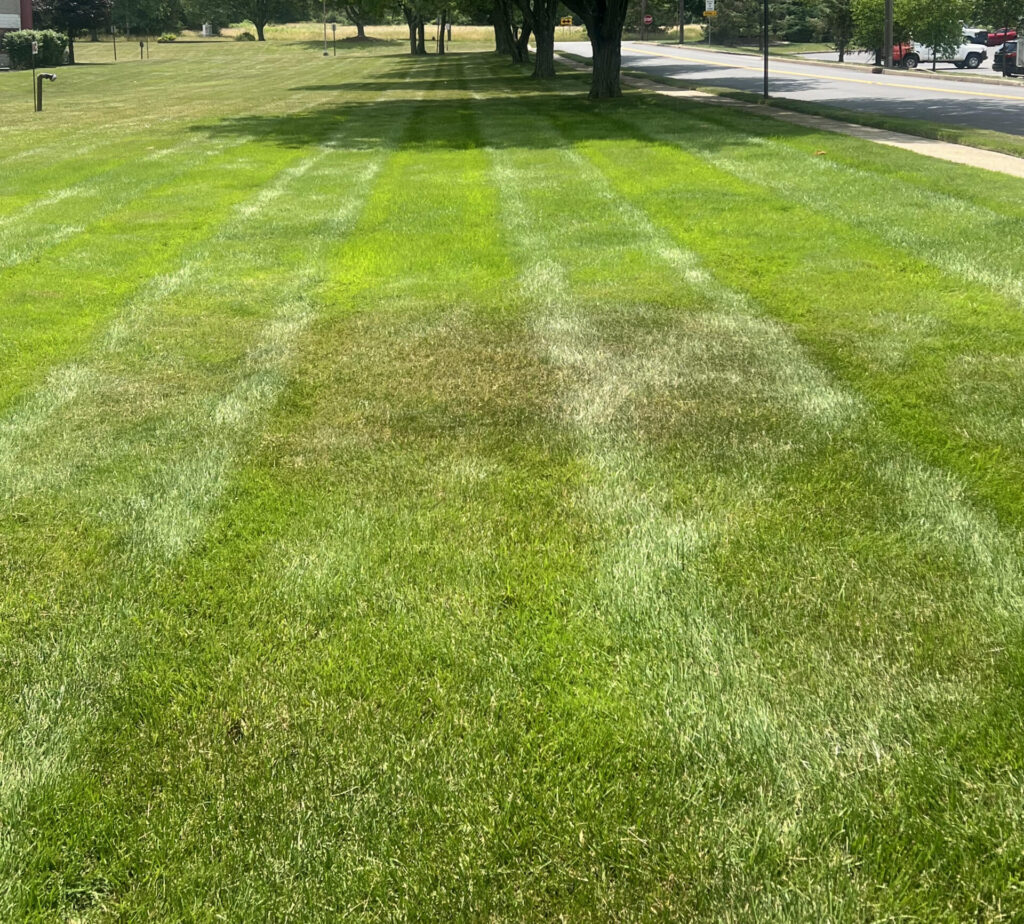
Your lawn will often tell you when it’s becoming drought stressed. Common symptoms include:
- Footprints remain visible after walking across the lawn.
- A bluish-gray color.
- Grass blades begin to fold or curl.
- Dry soil several inches below the surface.
- Areas recovering slowly after mowing.
These are signs of drought stress and indicate that your lawn may need additional watering time.



Adjusting Your Watering Schedule for Heat and Rainfall
No two summers are the same. The past several years have brought periods of extreme heat and limited rainfall in our area. During these conditions, your lawn will likely require additional irrigation.
If you notice drought stress and the soil is dry, we highly recommend first increasing the amount of time each zone runs rather than adding additional watering days.
Adding 30 minutes to each zone is generally better than watering three or four times per week.
Make Sure the Lawn Is Actually Dry
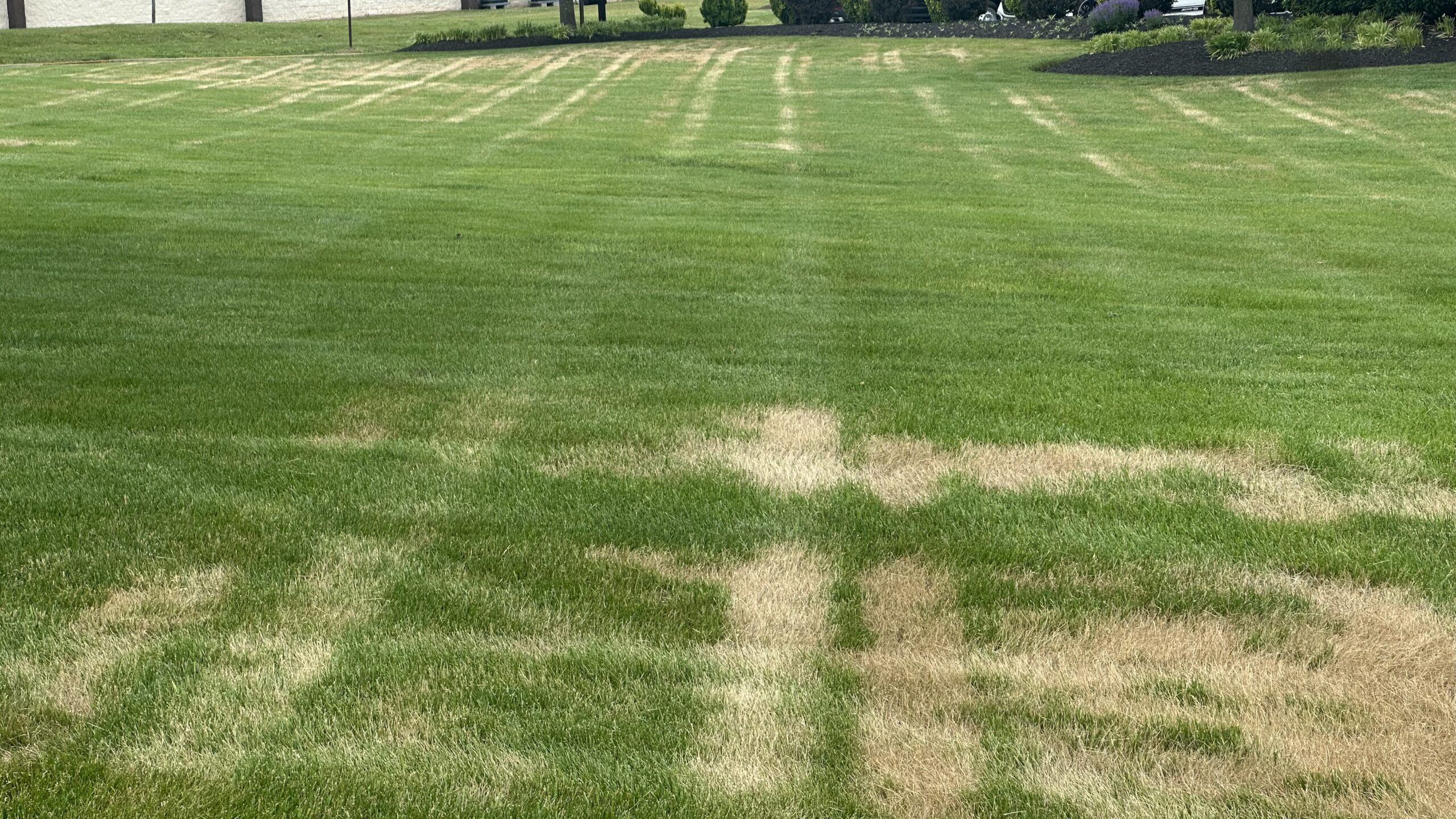
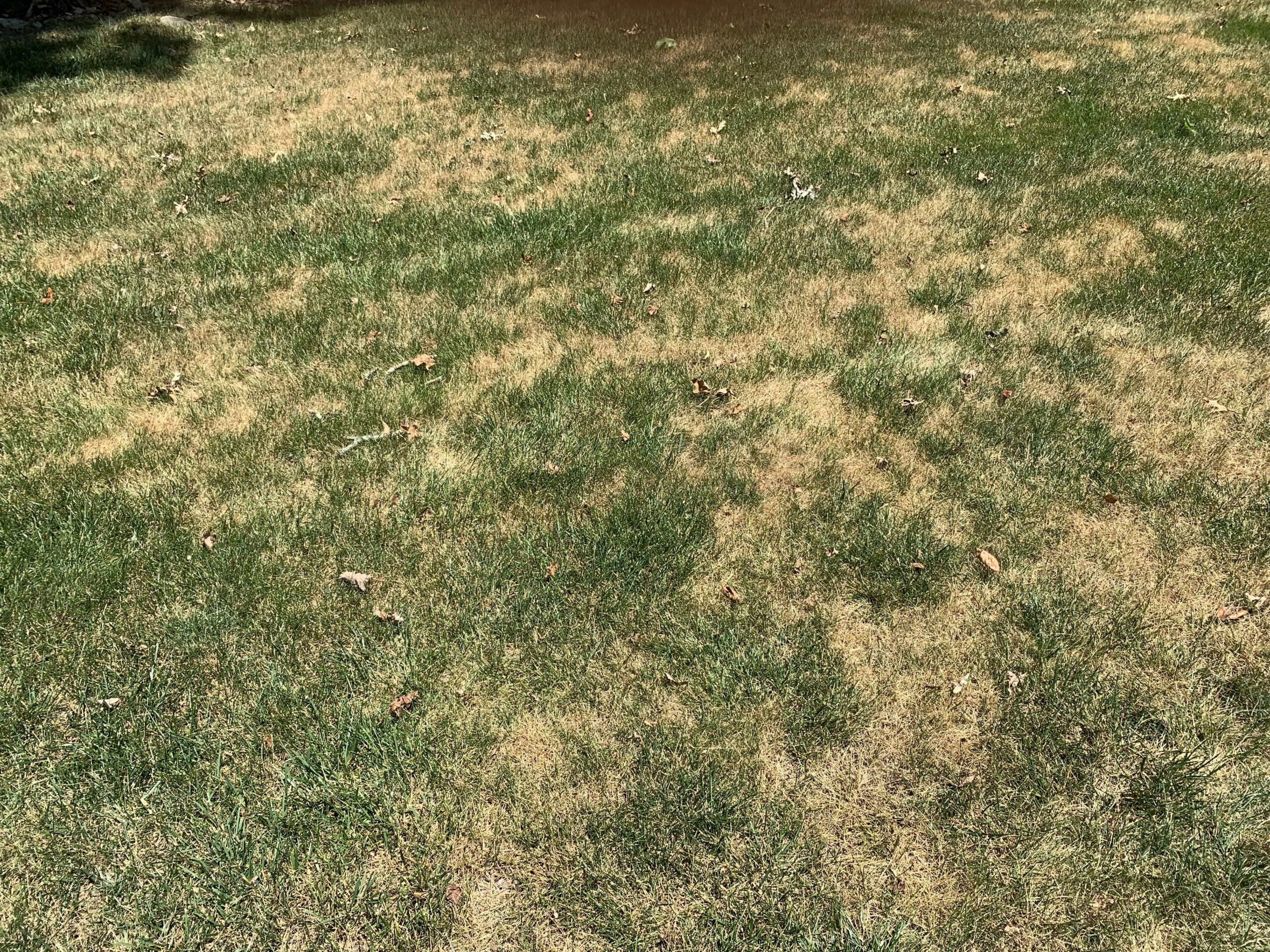
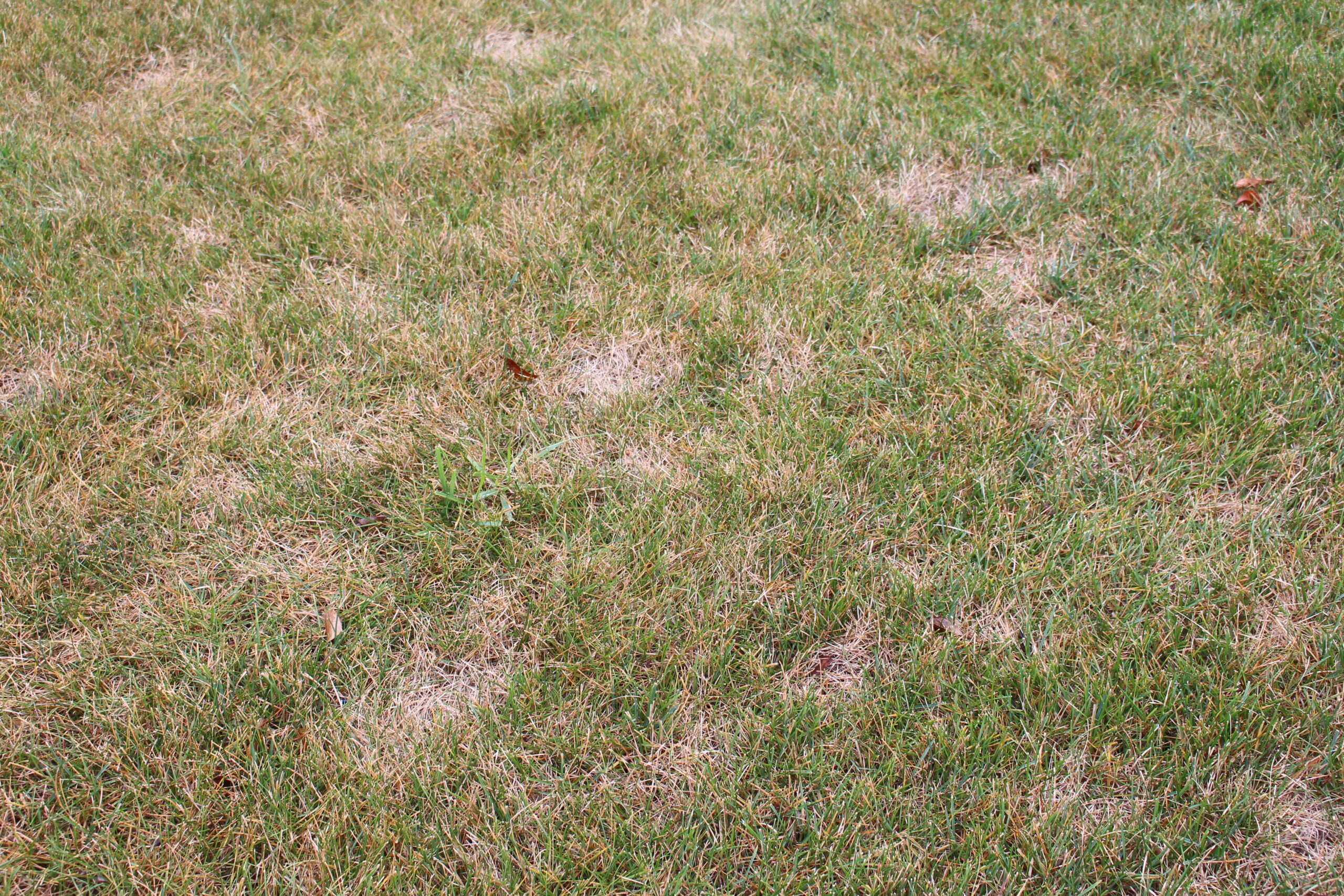
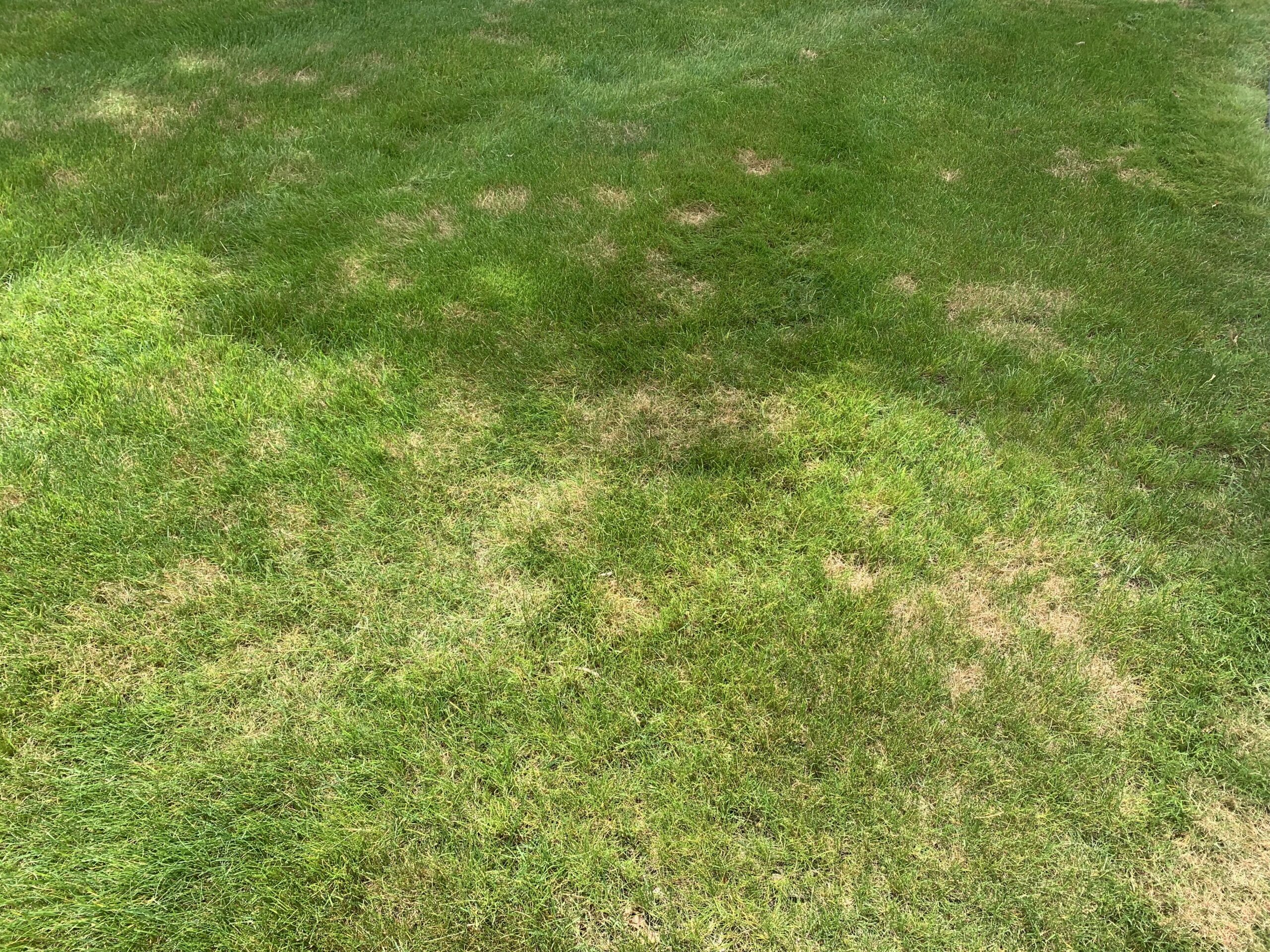
Unfortunately, brown grass in the summer months doesn’t always mean drought. Summer diseases and drought stress often look remarkably similar. If disease is causing the browning, adding more water will only worsen the problem.
Check out our information on the most common lawn diseases: Lawn Disease Control.
If you’re unsure, having a professional diagnosis can prevent unnecessary turf damage.
Each summer we get phone calls from customers that claim they have increased their watering frequency and the lawn keeps getting worse. The vast majority of these customers have disease issues that require a fungicide treatment, not additional water!
The images below are examples of turf disease activity, not drought stress. While both can cause browning, the patchy, irregular patterns shown here are a strong indication that disease, not a lack of water, is the cause of discoloration.
Cutting Back for Rainfall
Watering your lawn with an irrigation system shouldn’t be set it and forget it. Natural rainfall can vary greatly throughout the season. Frequent summer thunderstorms, for example, may reduce the amount of supplemental irrigation needed.
During very rainy periods, you may only need to water your lawn once per week or temporarily shut the system off altogether. Don’t forget to turn it back on when things change… we see that happen too!
Common Lawn Watering Mistakes We See
With nearly 40 years of experience caring for lawns in the NJ and PA area, we have compiled this list of the most common watering mistakes we see. Correcting these mistakes will greatly impact the vibrance of your lawn throughout the summer.
· Watering Every Day
Frequent, shallow watering creates weak root systems and increases disease pressure. Frequent watering keeps soil moisture shallow, not encouraging grass roots to grow deep. Frequent watering also keeps grass blades wet for longer. Moisture is a breeding ground for lawn diseases.
· Watering During the Afternoon or Early Evening
Watering during the peak heat of the day means much of the water you applied will evaporate before reaching deep into the soil. In addition, if the grass blades do not dry before sunset, they will be wet for a very long time until the next morning. This is perfect for lawn diseases to infect the plants.
· Set It and Forget It
We see two common mistakes here. One, homeowners leave their irrigation system running on the setting it was placed on when it was installed. Most often this is a 15 min per zone, daily schedule. Secondly, homeowners often start their systems for the year and don’t adjust to current weather patterns.
· Using the Same Run Time for Every Zone
Sunny areas dry out faster than shaded areas and often require different watering times. Decreasing run times in shaded or usually wet areas will help limit turf disease, weeds and even moss in those areas.
· Adding More Watering Days Instead of More Time
Increasing irrigation or sprinkler run times are almost always preferable to increasing frequency. The reason is we want to decrease the amount of time your grass blades stay wet while adequately soaking the grass roots.
· Waiting for a Drought to Act
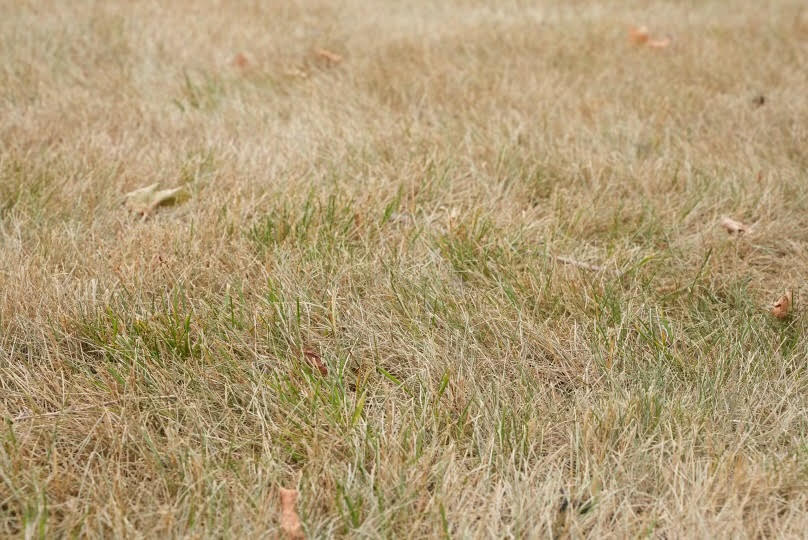
Once a lawn enters drought dormancy, it can take weeks of consistent moisture to recover. That’s why starting your watering routine early and maintaining moisture throughout the summer is so important.
Long-Term Summer Lawn Care
Here at Fairway Green, we’ve helped homeowners throughout Central New Jersey and Eastern Pennsylvania maintain healthy lawns since 1987. A large part of that care is educating customers on the best cultural practices for their lawn. These are the ways in which homeowners care for their grass outside of the applications we apply. Our experience is that watering is one of the most impactful cultural practices for lawn care. Following a proper schedule can make a huge impact on the looks and health of our homeowners’ properties throughout the season.
Deep, infrequent irrigation consistently produces stronger root systems, healthier turf, and fewer disease problems. If your lawn begins turning brown, we are here to help. Whether the problem is drought or lawn diseases, diagnosing the cause before simply adding more water can save both your lawn and your wallet.
If you have questions about proper summer lawn care or need help diagnosing a problem, request an online estimate or give our office a call at 908-281-7888.
Frequently Asked Questions About Watering Your Lawn
Q: When should I start watering my lawn?
A: Most homeowners should begin watering in late spring once temperatures rise and rainfall becomes less frequent.
Q: What time should I run my sprinklers?
A: The ideal watering window is between 12 AM and 6 AM.
Q: How often should I water my lawn?
A: Most lawns only need watering twice per week. If additional moisture is needed, increase run times rather than adding more watering days.
Q: How long should I run my sprinklers to get one inch of water?
A: Most systems require approximately 1 to 1½ hours per zone twice per week, although actual times vary depending on water pressure and sprinkler type.
Q: Can overwatering hurt grass?
A: Yes. Excessive watering promotes disease, weak roots, and poor soil oxygen levels.
Q: Is it okay to use a hose-end sprinkler?
A: Absolutely. Hose-end sprinklers can provide results equal to underground irrigation systems when used properly.
Q: I water my lawn, but it is still brown. Why?
A: Brown grass can result from drought stress, disease, insects, or soil problems. A professional diagnosis can help determine the true cause.