
Table of Contents
ToggleIf you’re an east coast homeowner, you may be noticing weeds popping up in your lawn just as winter fades into early spring. Common early spring lawn weeds are usually very noticeable as the grass hasn’t even greened up yet. This often leads to a common and understandable question, “Why do I have weeds in my lawn already?”. The answer is that these early spring weeds have been there all winter.
At Fairway Green, Inc. we get a lot of calls about weeds appearing in homeowners’ lawns very early in the spring. It is our experience that even well-maintained lawns can suffer from spring weeds. In this blog we will explain what early spring weeds you may see this season, why they appear and the best way to control them.
Spring Broadleaf Weeds
Below are some of the most common spring broadleaf weeds found in home lawns:
- Hairy Bittercress
- Groundsel
- Chickweed
- Henbit
- Dandelion
- Wild Onion
Spring Broadleaf weeds can be divided into two categories. These are winter annual weeds and perennial weeds. We will go through common weeds in each category and explain what makes them unique.
Annuals vs. Perennials: What’s the Difference?
The key difference between annual and perennial weeds is their life cycle. Annual weeds complete their life cycle in one year. They go through germination, growing, producing seed, and dying within a single season. Perennial weeds, however, survive for multiple years and regrow from an established root system. This distinction is important because it directly affects when each weed appears and how it’s best controlled.
Winter Annual Broadleaf Weeds
An annual is a plant that goes through its entire life cycle in one year, it germinates, flowers, creates seeds and then dies. The seeds will remain in the soil until they germinate in the future, creating the next generation of annuals.
Winter annual weeds germinate in the fall, not the spring. They spend the winter growing slowly and unnoticed, often staying very small and low to the ground. As soon as temperatures warm in late winter or early spring, they grow rapidly, flower, and produce seeds. This often happens before your lawn is out of dormancy. For more information on lawn dormancy check out this blog: The Science Behind Winter Lawn Dormancy.
Because of this timing, these weeds can be visible before spring pre-emergent or post-emergent applications take effect. We will now take a look at some of the more common winter annuals in our area.
Common Winter Annual Broadleaf Weeds
Hairy Bittercress
Hairy bittercress is by far the most noticeable and frustrating early spring weed in lawns in our area. Hairy bittercress is the first weed our service department receives calls about because it is one of the earliest weeds to flower in spring. It produces tiny white flowers and eventually slender seed pods that burst when touched, spreading seeds quickly across the lawn.
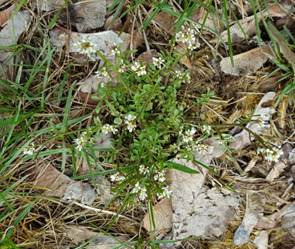
Why Hairy Bittercress Is So Common
- It germinates in late fall, often after weed controls are applied
- It grows quietly all winter
- It flowers extremely early—sometimes as early as March
- It releases seeds explosively, literally shooting them several feet
By the time you see the small white flowers, hairy bittercress is already near the end of its life cycle. This makes it seem like lawn treatments “didn’t work,” when in reality, the weed was established months earlier.
Almost all of the early spring weed related phone calls we receive are about “white flowers” blooming on hairy bittercress. Check out our blog: “Hairy Bittercrest: The Winter Invader”.
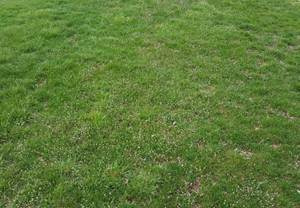
Groundsel
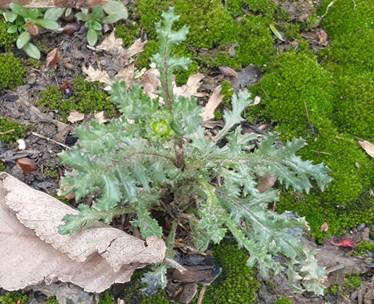
Groundsel is a fast-growing winter annual with soft, lobed leaves and small yellow flowers. It is often confused with a small version of a dandelion. It thrives in cool, moist conditions and often appears in areas where grass is unable to thrive. These areas include very compacted soils or the edges of beds and curbs. Groundsel can grow and seed quickly in early spring, making it seem like it appeared overnight.



Chickweed
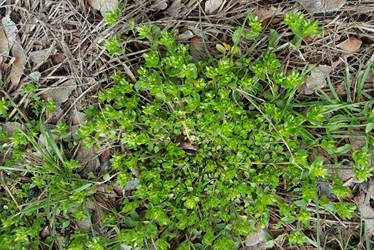
Chickweed forms dense, low-growing mats and prefers cool, damp conditions. It is very common in early spring and can spread rapidly across weak or shaded areas of the lawn. Chickweed is another classic winter annual that is already well-established by the time homeowners start thinking about weed control.
Henbit
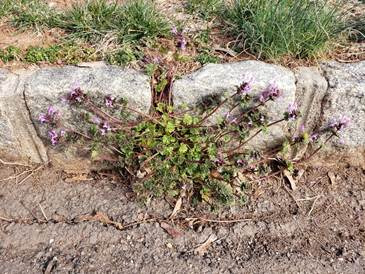
Henbit is easily recognized by its square stems, rounded leaves, and small purple flowers. It spreads aggressively in early spring and is most common in lawns with compacted soil or poor turf density. Like other winter annuals, henbit establishes itself in the fall and simply waits for warmer days to take off.
When will I start seeing Winter Annual Weeds?
A lot of winter annuals are already visible but go unnoticed until they flower. During years where we have mild winters, you may see some produce flowers as early as late February and early March. This year, given all of the snow cover we had in our region, the winter annuals will likely have a late start compared to the previous few years.
Perennial Broadleaf Weeds
Unlike winter annuals, perennials live for multiple years and return from the same root system. They usually go back to ground level in the fall and store food in their root system to help survive the winter. Once things warm up in the spring, they will push up new growth and emerge. They can establish from new seed, spread through a root system, and even creep across the top of the soil’s surface. If left untreated, they can continue to persist season after season.
Common Spring Perennial Weeds
Dandelion
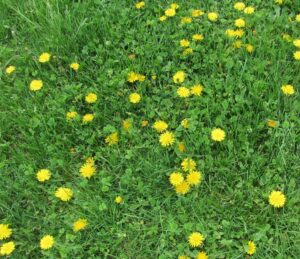
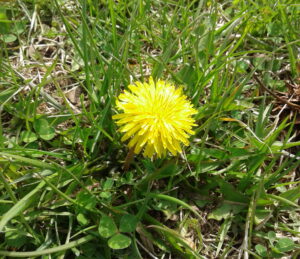
There is no weed that our customers find as easily identifiable as the infamous dandelion. With its bright yellow flowers and puffball seed heads, it stands out against the otherwise green canopy of turf.
The white puffy head that comes after the flower is their seed head. Seeds are carried by the wind to a new destination and germinate to form a new dandelion plant the following year.
They are a very hardy weed because of their taproots. This root can grow 6-12 inches or more and will regrow if not completely removed. Dandelions are also very drought tolerant weeds.
Wild Onion
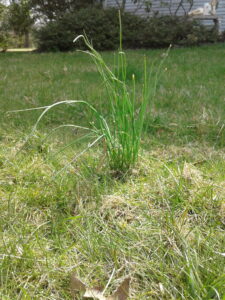
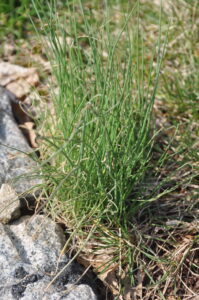
Wild onion appears in your lawn as clumps of thin, hollow stems that resemble chives. It smells like onions too! They often get mistaken for a different grass variety that seems to grow faster and taller than normal turf. It regrows annually from a bulb that lays dormant the remainder of the year. These bulbs will break off and regrow year after year making wild onion resilient like dandelions.
When will I start seeing Spring Perennial Weeds?
Because winter annuals germinate in the fall, you’re likely to notice them a lot earlier than any perennials. Perennials will start to emerge in the spring once soil temperatures start to warm up into an ideal range. That range is specific to each plant. In our area, during a typical season we really start to notice common perennials like dandelions in April.
Why Do Weeds Appear Every Spring — Even With A Weed Control Program In Place?
Every year, customers inquire how it is possible for weeds to show up in early spring despite having professional treatments the previous year. The reason lies in the life cycle of weeds. Winter Annual weeds germinate in the fall, often after standard broadleaf treatments have ceased for the season. They then overwinter in the lawn and resume growth as soon as temperatures rise. By the time customers notice them in early spring, they have already been established for months. The broadleaf weed control included in our Early Spring Application will stunt the growth of these plant pests so that they can be cut away as soon as regular mowing begins.
If perennials were not controlled the year before, you will start to see them actively growing when temperatures warm up in the spring. In addition to established plants, they will also germinate from new seed throughout the season. Plants like wild onion will emerge from bulbs that survived the previous season. The timing for all of these plants varies and can happen during a broad period where soil temperatures and moisture levels are ideal. This is why plants can continue to emerge, even with a weed control program in place.
There is a misconception that applying weed control to the lawn should stop all weeds for the season. This is simply not true, most broadleaf weed controls will work on weeds that have emerged and are actively growing. It’s not going to stop that dandelion seed that germinates 3 weeks after your last treatment when it gets the perfect combination of rainfall and warmer soil temperatures. If your main goal is to minimize weeds, then having consistent lawn care treatments throughout the growing season is going to be critical.
Treatment and Control Methods for Early Spring Weeds
Hand-Pulling Small Infestations
For very small weed populations, hand-pulling may be effective. It works best on shallow-rooted winter annuals but is less effective on deep-rooted perennials like dandelion or bulb-producing weeds like wild onion unless the entire root or bulb is removed. One of the biggest misunderstandings about hand pulling weeds is that even though the top, visible portion of the weed is now gone, the roots likely remain. Weeds will regrow unless the root has been eliminated.
Pre-Emergent vs. Broadleaf Weed Control
Pre-emergent herbicides applied in spring are highly effective at preventing grassy weeds like crabgrass because the germination of these types of plants is very predictable each year. However, preventing broadleaf weeds, which this blog is about, is much more complex.
There is a far greater variety of broadleaf weeds than grassy weeds. Many spring broadleaf weeds are winter annuals that germinate in the fall, making spring pre-emergent applications ineffective for their control.
Broadleaf weeds require post-emergent weed control treatments. These treatments need to be done multiple times per season to treat annuals and perennials as they arrive. As noted above, winter annuals and spring blooming perennials arrive at different points in the spring. Our conventional lawn care programs include multiple applications of broadleaf weed control throughout the growing season.
The Long-Term Solution: A Year-Round Lawn Care Program
Effective weed control always starts with having a healthy, dense lawn. This is the first line of defense against winter annuals and other weeds as well. Following proper cultural practices that help promote grass health is always recommended. Winter annual weeds are best managed with multiple best practices such as:
- Early spring broadleaf weed control treatments
- Proper mowing, fertilization, and soil health managed year round
- Fall seeding to promote thick, dense turf that crowds out weeds naturally
Over time, a consistent professional program significantly reduces the presence of all broadleaf weeds.
Final Thoughts
Early-spring weeds can be frustrating, especially in early spring when they seem to be the only thing growing at the time. It’s important to understand that these weeds are also normal for our region and climate. Seeing weeds in early spring does not necessarily mean your lawn care program isn’t effective. Understanding how winter annual and spring perennial weeds work helps set realistic expectations and highlights why a comprehensive, year-round lawn care approach delivers the best long-term results.
If you have questions about weeds in your lawn or would like a customized treatment plan, our team is here to help. Contact us today!