
Residential lawns face a variety of challenges each year, from stress and disease activity to weed pressure. One of the most overlooked threats to lawn health, however, is grub damage, and fortunately, it’s one of the most preventable.
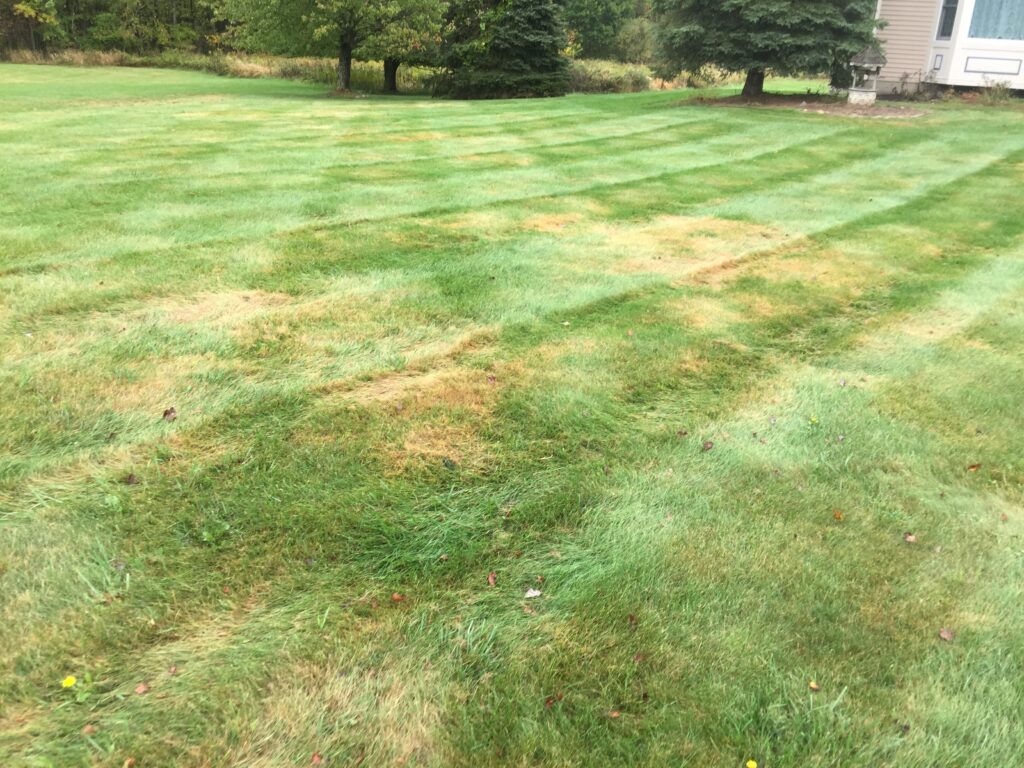
Every fall, we receive calls from homeowners whose lawns suddenly begin turning brown, thinning out, or peeling back from the soil like a loose piece of carpet. In many cases, the culprit isn’t drought or disease, but grubs feeding on grass roots beneath the surface.
The unfortunate reality is that by the time grub damage becomes visible, significant root destruction has already occurred. That’s why preventative grub control remains one of the most valuable annual lawn care applications we offer.
Year after year, we see consistent and effective results from preventative grub control treatments. Not only are they highly effective, but they’re also more cost-efficient than repairing a damaged lawn. The key is proper timing! Preventative applications must be performed before grubs hatch and begin feeding. When applied at the right time, these treatments help protect your lawn’s root system, reduce the risk of costly repairs, and promote healthier, more resilient turf throughout the growing season.
What Are Grubs?
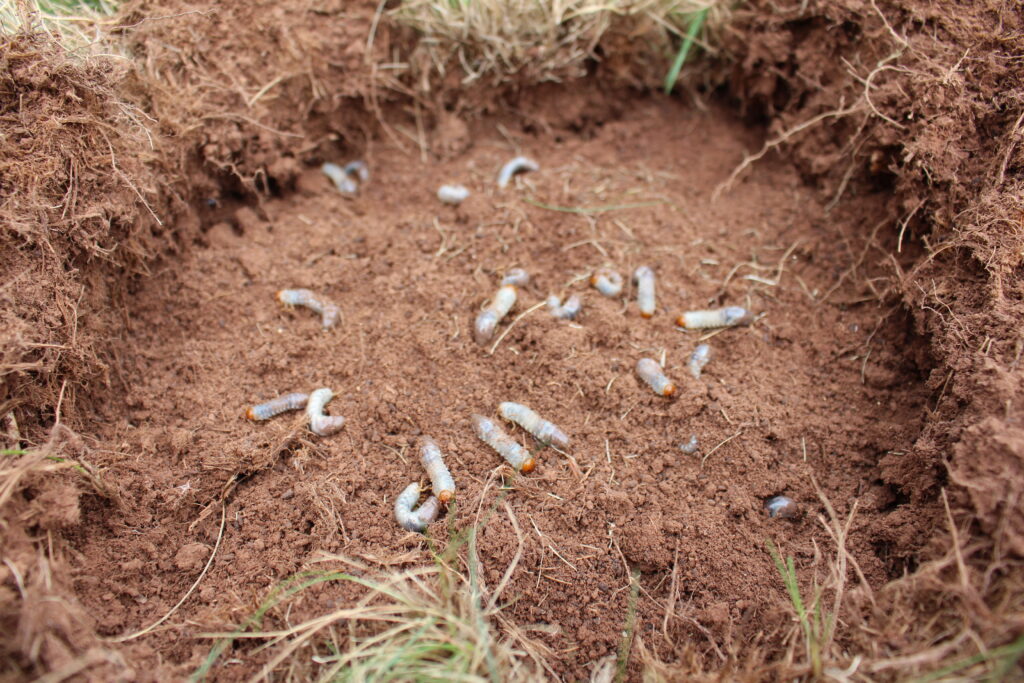
Grubs are the immature larval stage of several beetle species. They are C shaped, creamy white in color with a brown head capsule and have six legs located near the front of their body. Depending on the species and stage of development, they typically range from ½ inch to over 1 inch in length which makes them visible to the naked eye.
Understanding the Grub Life Cycle
The grub life cycle begins when adult beetles emerge during the summer months. After mating, female beetles lay their eggs in the soil of healthy, well-irrigated lawns. Within a few weeks, the eggs hatch into young grubs that immediately begin feeding on grass roots.
This feeding period typically occurs during late summer and early fall and is when the majority of lawn damage takes place. As grubs mature, they consume increasingly larger amounts of root tissue, weakening the turf’s ability to absorb water and nutrients.
As temperatures cool in the fall, grubs move deeper into the soil to overwinter. The following spring, they return closer to the surface and resume feeding for a short period before transforming into pupae and eventually emerging as adult beetles to begin the cycle again.
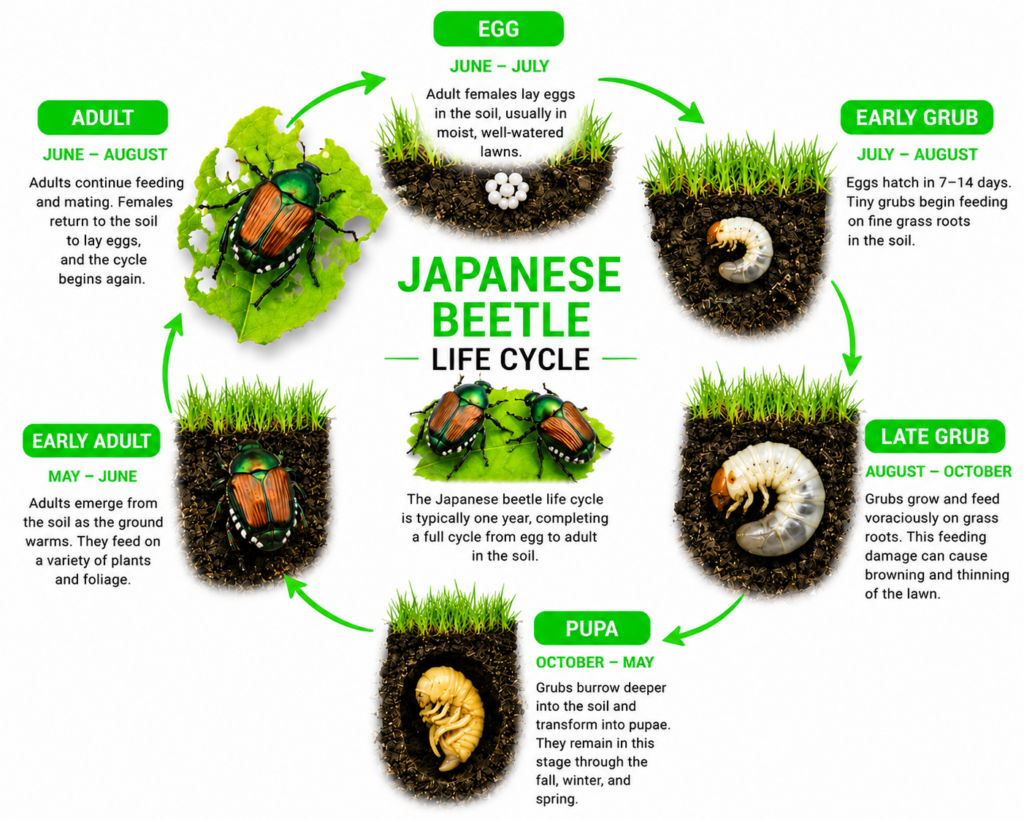
Of all the beetle species found throughout our service area, Japanese beetles and their white grub larvae are the most recognizable. Adult Japanese beetles are highly visible during the summer months, feeding on and damaging ornamental trees, shrubs, flowers, and other landscape plants. The grub stage, however, is far less noticeable. Because grubs live beneath the soil surface and feed on grass roots, they often go undetected until significant lawn damage has occurred.
Understanding the beetle and grub lifecycle is critical because successful grub control depends heavily on proper timing. After nearly 40 years of servicing lawns in our geographic area, we have developed a deep understanding of the beetle species common to our area and the timing of their lifecycle. Knowing when adult beetles are laying eggs and when young grubs begin feeding allows us to apply preventative treatments at the optimal time, providing the highest level of protection for your lawn.
How Preventative Grub Control Works
Creating a Protective Soil Barrier
Preventative grub control products are applied before grub eggs hatch and create a protective zone within the soil. As newly hatched grubs begin feeding, they encounter the treatment and are controlled before they can cause significant root damage.
Targeting Young Larvae
Preventative products are specifically designed to target young grubs shortly after hatching. At this stage, larvae are highly susceptible to treatment and have not yet developed into larger, more destructive pests.
Timing is Crucial for Effectiveness
For preventative grub control to work properly, the product must be present in the soil before eggs hatch. Proper timing allows the active ingredient to move into the root zone where young grubs begin feeding. In most cases, watering after the application helps move the product into the soil profile, improving effectiveness.
When to Apply Preventative Grub Control
The Ideal Application Period
In our service area, preventative grub control is typically applied in early summer, generally beginning in June and going through the end of July. This timing aligns with the beetle lifecycle and prepares the lawn before egg hatch occurs later in the season.
Why This Timing Matters
Applying preventative grub control during the recommended window ensures the product is already active in the soil when newly hatched grubs start feeding. Waiting too long can significantly reduce effectiveness because larger grubs are more difficult to control.
Post-Application Watering
Watering via irrigation or rainfall after treatment is often an important part of the process. Moisture helps move the product into the root zone where young grubs begin feeding and where the treatment can provide the greatest protection.
Why Preventative Grub Control Is More Effective
One lesson we’ve learned after nearly 40 years of caring for lawns is that prevention almost always outperforms corrective action. This principle applies to weed control, disease management, and especially grub control. In fact, preventative grub control may be one of the best examples of how a relatively small investment today can help homeowners avoid a much larger expense down the road.
The reason is simple: by the time grub damage becomes visible, the feeding has already occurred. Grubs spend weeks beneath the soil surface consuming grass roots before homeowners notice brown patches, thinning turf, or areas that pull up like loose carpet. Once those roots have been destroyed, the damage is permanent. You will need to apply a curative grub control, which is much less effective against mature grubs. In addition, your lawn will need to be reseeded to repair areas damaged by the grubs.
Preventative treatments help:
- Protect valuable root systems
- Prevent brown patches and thinning turf
- Reduce the need for costly lawn reseeding
- Limit wildlife digging activity
- Maintain lawn density and appearance throughout summer



Preventative vs. Curative Grub Control
Preventative Control Benefits
Preventative grub control delivers the best results because it targets grubs before significant feeding occurs. It is typically more cost-effective than repairing damaged turf and helps homeowners avoid months of recovery and reseeding.
Limitations of Curative Control
Curative treatments are used after grubs are already present and causing damage. While these products can provide control, they are generally less effective against mature grubs and cannot reverse root damage that has already occurred. In many cases, damaged lawns still require repair work after treatment.
If a homeowner contacts us in late August after noticing severe damage, we’ll often explain that our options are more limited than they would have been earlier in the season. At that point, treatment can help reduce the grub population, but it cannot undo the feeding that has already taken place.
So, What Is More Cost Effective?
Preventative grub control applications are a part of our traditional annual lawn care programs, for good reason. However, homeowners often opt to skip this application or eliminate it from their annual service plan, especially if they haven’t experienced major grub damage before.
Here are some of the common misconceptions that prevent homeowners from getting preventative grub control:
1)They have never had grubs, so it won’t be a problem in their area
- All it takes is a beetle to lay eggs in your yard, even if you haven’t had them before, it doesn’t mean you won’t get them in the future.
2)They have gotten grub control for several years in a row so they don’t need it anymore
- Grub control breaks down in the soil after a few months, having it done in prior years does not offer control in future seasons.
3)They will wait until they see grubs to get treatment.
- By the time you see grubs, the damage has already been done!
From our perspective, prevention is more cost effective and straightforward.
The cost of a preventative application is typically far less than the combined expense of:
- Curative grub treatments that require heavy watering to be effective
- Lawn repairs
- Overseeding or reseeding
- Additional watering required to reseed lawn
- Weeks or months of reduced curb appeal
When we can walk homeowners through the steps required to mitigate grubs once they have taken hold of a lawn, preventative treatments often become an easier decision.
Signs You May Have a Grub Problem
While preventative control is the preferred approach, it’s still important to recognize common signs of grub activity:
- Brown patches that don’t improve with watering
- Turf that feels spongy underfoot
- Grass that pulls up easily from the soil
- Increased digging activity from skunks, raccoons, or birds
- Irregular areas of thinning turf
If you’re seeing these symptoms, it’s important to determine whether grubs are the cause. Not every brown lawn has a grub problem. Drought stress, turf disease, poor soil conditions, and other issues can create similar symptoms.
Although we stated it before, it’s important to emphasize that not all damage on the lawn throughout the entire year is caused by grubs! We get calls all year long from customers that automatically assume, or have been told by someone, that they have grubs because parts of their lawn aren’t looking green. The majority of grub damage is going to occur in late summer and fall, this is when grubs are actively feeding.
It is possible to find grubs in your lawn, especially the following spring, but they are getting ready to pupate and not causing damage to the grass.
Protect Your Lawn Before Damage Starts
The biggest limitation of preventative grub control is that it must be applied before a problem develops. Once significant grub feeding has occurred, even the best treatment cannot restore roots that have already been destroyed.
That’s why our recommendation remains simple: protect the lawn before damage begins.
At Fairway Green, our preventative grub control application is designed around the lifecycle of the grub species most commonly found throughout Central New Jersey and Eastern Pennsylvania. By applying treatments at the proper time, we help homeowners avoid costly repairs and maintain healthier lawns throughout the growing season.
If you are interested in more information about grubs and their control methods feel free to contact us online or over the phone 908-281-7888
Frequently Asked Questions About Preventative Grub Control
Q: Is Preventative Grub Control Worth It?
A: For most lawns in our region, preventative grub control is one of the most cost-effective ways to avoid expensive lawn damage. It protects root systems before feeding begins and significantly reduces the likelihood of major turf repairs later in the season.
Q: What is the Best Time to Apply Preventative Grub Control?
A: The best time to apply preventative grub control is typically late spring through early summer, generally June through the end of July in Central New Jersey and Eastern Pennsylvania. This timing allows the treatment to be present before grub eggs hatch and larvae begin feeding.
Q: How Do I Know If I Have Grubs in My Lawn?
A: The most reliable way to confirm grub activity is to inspect the soil beneath damaged turf. If the grass pulls up easily and multiple white, C-shaped larvae are present in the root zone, grubs may be the cause. Professional inspections can help determine whether grub populations are high enough to justify treatment.
Q: Can Grub Damage Recover on Its Own?
A: Minor grub damage may recover if the root system remains largely intact and growing conditions improve. However, severe infestations often require overseeding, lawn repairs, or renovation after the grub population has been controlled.
Q: Is Annual Preventative Grub Control Necessary?
A: It’s impossible to predict where beetles are going to lay their eggs. If beetles lay eggs on your property, then you will be very happy that you purchased a preventative grub control treatment.
Q: Can I Apply Grass Seed and Preventative Grub Control at the Same Time?
A: In most cases, yes. Unlike crabgrass preventers, preventative grub control products generally do not interfere with seed germination. This makes them compatible with many lawn renovation and overseeding projects when properly timed. That being said, overseeding in the summer is not the best idea. If you can wait, do your seeding projects at the end of August through the end of September.
Q: How Long Does Preventative Grub Control Last?
A: Professional preventative grub control applications are designed to provide protection throughout the period when eggs hatch and young grubs begin feeding. When applied at the proper time, most treatments offer season-long protection against damaging grub populations.