
We see that evergreen trees and shrubs are a cornerstone of residential and commercial landscapes throughout New Jersey and Pennsylvania. From privacy screens to windbreaks, evergreens provide structure, color, and functionality that lasts all year long.
Homeowners often choose evergreens for their reliability and visual impact. We often hear that they are considered “low maintenance.” It is important to note that every landscape plant still requires proper site selection, planting, and annual care to thrive long-term. Climate, soil conditions, diseases, and insect presence all play a role in evergreen health.
Understanding what evergreens truly are and how to care for them can help protect your landscape investment and keep your property looking its best in all four seasons.
What “Evergreen” Really Means
The term evergreen simply means that a plant retains its foliage year-round, rather than shedding all its leaves in the fall like deciduous trees and shrubs. It is important to note that evergreens do shed older (inside) foliage, in the fall, as part of the natural aging process.
Conifers vs. Broadleaf Evergreens: What is the Difference?
Evergreen trees and shrubs fall into two main categories: conifers and broadleaf evergreens. While both retain their foliage year-round, they differ significantly in appearance, growth habits, maintenance needs, and how they perform in our climate.
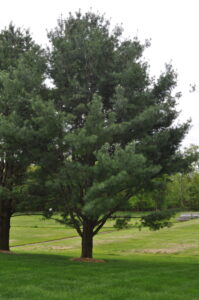
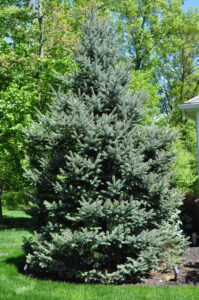
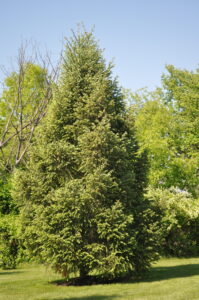
Conifers: Evergreens with needle-like or scale-like foliage. Most conifers produce cones, which is where the name comes from.
Common conifers in NJ & PA landscapes include:
- Cedars, Arborvitaes
- Hemlocks
- Spruce
- Pine
- Fir
- Juniper
Key characteristics of conifers:
- Narrow or needle-shaped foliage which helps reduce moisture loss
- Often grow upright or pyramidal in shape
- Excellent for privacy screens, windbreaks, and large landscape features
- Typically tolerate colder temperatures
Because of their growth habits, conifers are frequently used where height, screening, or vertical structure is needed. Arborvitae and spruce, for example, are popular choices for property lines and backyard privacy.
Care considerations for conifers:
- Most do not regenerate from old wood—pruning past green growth will leave bare areas
- Sensitive to drought stress, especially in late summer and fall
- Susceptible to issues like needle cast diseases, spider mites, and winter burn
We routinely see conifers being over planted. They are planted too close together as young plants without consideration for how big they will be once mature. This leads to plants being too big for their space, needing to be pruned excessively or poor plant health where they are being crowded. We can not stress enough the importance of taking mature plant size into perspective when selecting how many conifers to plant in a given area.
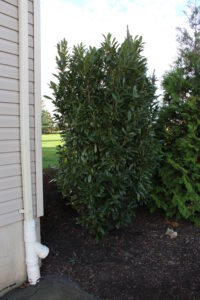
Broadleaf Evergreens: Evergreens with flat, leaf-like foliage, similar in shape to deciduous leaves (but thicker and more leathery).
Common broadleaf evergreens include:
- Boxwood
- Holly (inkberry, Japanese holly, American holly)
- Mountain Laurel
- Cherry Laurel
Key characteristics of broadleaf evergreens:
- Dense foliage provides a formal, structured appearance
- Excellent for foundation plantings, hedges, and accent areas
- More tolerant of shaping and pruning than most conifers
- Can turn bronze in color over the winter
Broadleaf evergreens are frequently used closer to homes, walkways, and landscape beds because of their compact growth habits and shape flexibility.
Care considerations for broadleaf evergreens:
- More prone to winter desiccation due to wider leaf surface area
- Can suffer leaf burn from wind, sun, and ice melt exposure
- Benefit from anti-desiccant treatments
- Susceptible to pests like boxwood leafminer or mites and diseases such as blights, Volutella, and root rot.
A note of caution on the use of boxwoods in landscape beds. In the 2000’s we saw an overuse of Bradford Pear Trees. They were used heavily in new landscape design and it wasn’t until years later that we learned that they had their limitations. Having weak branches at maturity caused huge amounts of breakage and they fell out of popularity. We are seeing a similar overuse of boxwoods at the moment. They are a popular broadleaf evergreen because they are deer resistant. This doesn’t mean an excess of them should be used on your property. Homeowners often don’t consider that if an issue arises (boxwood blite, leafminer, boxwood moths), you now have a huge amount of plant material that needs to be treated.
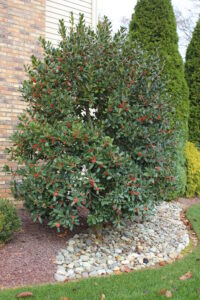
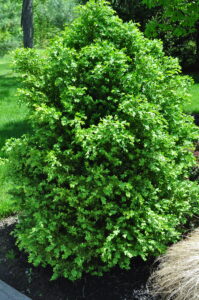
Choosing Between Conifers and Broadleaf Evergreens
The choice often comes down to function and location, not which type “looks better.” While conifers provide height, broadleaf evergreens are compact and more shapable. Successful landscapes use both.
Do Evergreens Drop Needles or Leaves?
Yes, and this is normal. Evergreens shed older needles and leaves gradually, usually in late summer or early fall, as part of their natural growth cycle. What is not normal is:
- Rapid or excessive browning
- Browning of new growth
- Thinning from the inside out
- Entire branch dieback
Those symptoms usually indicate stress, pests, disease, or environmental damage.
Our most common service call request related to this topic is for white pine trees turning brown and dropping their needles. In most cases, this is a normal part of the life cycle of white pine trees.
Why Evergreens Are a Go-To in Landscapes
Here at Fairway Green Inc., we see that there are two main reasons why evergreen trees and shrubs are such a popular choice for residential and commercial landscapes alike.
1. Privacy and Year-Round Screening: They are unmatched for providing privacy and windbreak. Unlike deciduous hedges, they do not leave gaps during winter.
2. Structure and Year-Round Visual Interest: Evergreens anchor landscape beds and foundation plantings, providing shape, color, and definition even when perennials and flowering plants are dormant.
Choosing the Right Evergreens for Your Property
There are several selection factors to consider. Before planting, consider:
- Mature size (height and width)
- Sun exposure (sun vs. shade tolerance)
- Soil drainage (Many plants cannot tolerate having prolonged wet roots)
- Wind and winter exposure
- Pruning tolerance
Evergreen Shrubs vs. Evergreen Trees
- Shrubs: Best for foundation plantings, low hedges, and formal shaping.
- Trees: Ideal for privacy screens, windbreaks, and focal points (they do not like to be shaped).
40 years of experience in the landscape care space has taught us that the most common source of all evergreen tree and shrub problems is poor plant selection for an intended location. A small holly “tree” planted too close to your home will become a problem in a few short years.
A common example of poor plant selection we see is to plant smaller shrubs around and under larger evergreens. In time, that evergreen will overshadow anything below it removing its source of sunlight and you will lose those smaller shrubs.
Popular Evergreen Options
Here is a list of popular evergreen trees and shrub choices in our area broken down by selection factors. As mentioned previously, most flourishing landscapes use a combination of evergreen trees and shrubs.
Best Evergreens for Privacy Screens
- Arborvitae varieties
- Norway spruce
- Green Giant-type hybrids (site-dependent)
Best Evergreens for Foundation Plantings
- Boxwood
- Inkberry holly
- Dwarf spruce and Junipers
Deer-Resistant Choices
No plant is deer-proof, but these are less susceptible:
- Inkberry holly
- Boxwood (variety dependent)
- Certain junipers
Boxwood Alternatives
When boxwoods struggle, alternatives may include:
- Inkberry holly
- Japanese holly
- Compact yew varieties
Evergreen Care Basics
The following evergreen care practices focus on reducing stress, strengthening plants, and preventing common issues before they take hold.
· Planting New Evergreens: Early fall and spring are ideal. Fall planting allows roots to establish before the summer heat.
· Watering: Water deeply and infrequently. Avoid overhead watering whenever possible; instead, use a drip line or soaker hose to deliver water directly to the root zone. Overhead watering wets the leaves and needles, which can increase the risk of disease. Once evergreen plants are fully established, most will not require regular watering except during extended dry periods or drought conditions.
· Mulching Correctly: Mulch 2–3 inches deep, keeping mulch away from the trunk and stems. Avoid mulch volcanos!
· Fertilizing Evergreens: Apply a slow-release, balance fertilizer (6-12-12 or similar) in late fall or early spring. Fertilizer should be applied within the drip line of a plant. Avoid over fertilizing, more is not better!
· Pruning and Trimming: Follow species-specific timing, never pruning past green growth.
Common Issues Affecting Evergreen Plants in New Jersey
While evergreen trees and shrubs are valued for their durability and year-round beauty, they are not immune to stress, disease, or environmental damage, especially in our variable climate. Understanding the most common issues affecting evergreens can help homeowners protect their landscape investment and know when professional tree and shrub care is needed.



Most evergreen problems do not happen overnight. They develop gradually due to a combination of poor planting, weather conditions, site stress, and pest or disease pressure.
Symptoms to look out for:
- Browning
- Yellowing
- Thinning
- Needle drop
- Branch dieback
Winter Desiccation (One of the Most Common Evergreen Problems)
Winter desiccation is one of the leading causes of evergreen damage. Even during winter, evergreen plants continue to lose moisture through their needles or leaves. Once the ground freezes, roots can no longer replace that lost moisture, leading to dehydration.
Signs of winter desiccation include:
- Browning or bronzing needles and leaves
- Dry, brittle foliage
- Dieback on branch tips
- Damage most noticeable from late winter through early summer
This issue is especially common on broadleaf evergreens like boxwood, holly, and mountain laurel, as well as needled evergreens exposed to wind, sun, or road salt.
The Role of Anti-Desiccant Treatments
One of the most effective ways to protect evergreens from winter moisture loss is through a professional anti-desiccant application.
Anti-desiccants are specialized sprays applied to evergreen foliage in winter. They form a thin, breathable coating that slows moisture loss while still allowing the plant to function naturally.
Benefits of anti-desiccant treatments include:
- Reduced winter burn and browning
- Protection from drying winds and winter sun
- Improved spring green-up
- Reduced stress during freeze-thaw cycles
Anti-desiccants are particularly beneficial for:
- Newly planted evergreens
- Broadleaf evergreens
- Plants exposed to open wind and southern sun
For more in depth information check out our anti-desiccant blog here.
Evergreen Diseases and Pests
1. Boxwood Blight & Boxwood Leafminer
Boxwoods are an extremely popular choice in landscapes but can be susceptible to serious issues.
- Boxwood blight causes leaf drop, black streaking on stems, and rapid decline.
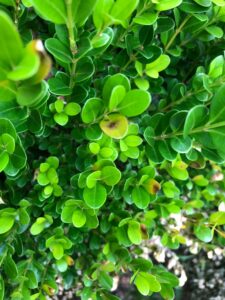
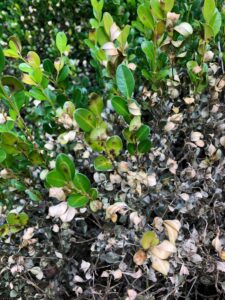
- Boxwood leafminer larvae feed inside leaves, causing blistering, discoloration, and thinning.

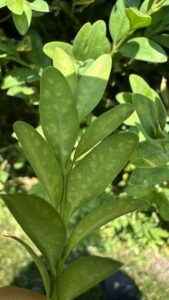
Early detection and preventative care are critical to maintaining healthy boxwoods.
2. Needle Cast Diseases (Spruce, Pine, and Fir)
Needle cast diseases are fungal infections that cause evergreen needles to turn yellow or brown and drop prematurely.
Common symptoms include:
- Browning needles starting from the inside of the tree
- Thinning appearance over time
- Reduced vigor if left untreated
These diseases often worsen during wet spring conditions and require timely treatments to prevent long-term damage.
3. Root Rot & Poor Drainage Stress
Many evergreen shrubs, including inkberry holly and junipers, are sensitive to overly wet or poorly drained soils.
Warning signs include:
- Wilting despite adequate moisture
- Yellowing foliage
- Sudden plant decline
Proper site selection, drainage management, and professional evaluation are key to preventing root-related problems.
An example you might see in your own property is pine trees planted in drainage swells. The old way of thinking was that these plants would absorb excess rain water; however, they hate having “wet feet” and do poorly in this location.
4. Scale Insects & Spider Mites
Evergreens are also prone to insects that weaken plants by feeding on sap.
- Scale insects often appear as small bumps on stems and leaves
- Spider mites cause stippling, discoloration, and fine webbing
Unchecked infestations can cause significant stress and leave plants vulnerable to disease and winter injury.
Deer Pressure and Evergreens (How Repellent Services Help Protect Your Landscape)
In NJ and PA, deer are one of the most persistent threats to evergreen trees and shrubs. During colder months and periods of limited natural food sources, deer frequently browse on evergreens—especially broadleaf varieties—causing unsightly damage and long-term stress.
Deer feeding often appears as:
- Ragged or uneven foliage
- Thinning plants from the bottom up
- Repeated damage to the same shrubs season after season
Left unmanaged, deer feeding can permanently alter the shape of evergreen shrubs, slow growth, and make plants more vulnerable to disease and winter injury.
Our professional deer repellent services help reduce this pressure by discouraging feeding before damage occurs. These treatments create an unpleasant taste and scent that deer avoid, without harming plants or the surrounding landscape. Because deer pressure changes throughout the year, applications are most effective when applied proactively and maintained on a schedule.
Getting Help with Your Evergreen Trees and Shrubs
Landscape plants are a long-term investment in your property’s beauty and value. At Fairway Green Inc., our licensed technicians understand the unique challenges of local landscapes and are here to help. The value of routine tree and shrub care can not be stressed enough and homeowners tend to reach out when the plants are already in bad shade, which might be too late.
We offer several targeted tree and shrub programs to manage insects, disease, and overall plant health. We can also offer almost 40 years of firsthand experience diagnosing and treating evergreen trees and shrubs.
Ready to elevate your landscape with evergreen beauty? Call Fairway Green, Inc. to speak with our team, or request service online.
Frequently Asked Questions about Evergreen Tree and Shrubs
Q: What does “evergreen” trees and shrubs mean?
A: Evergreen simply means a plant retains its foliage year-round.
Q: Do evergreen trees and shrubs lose needles or leaves?
A: Yes. Evergreens naturally shed older foliage gradually. This is normal. Sudden browning, thinning, or branch dieback, however, signals stress, pests, disease, or environmental damage.
Q: What are the most popular evergreen shrubs in NJ and PA?
A: Some of the most common evergreen trees and shrubs include boxwood, inkberry holly, Japanese holly, juniper, and dwarf spruce. The best choice depends on sunlight, space, soil conditions, and intended use.
Q: What evergreen trees are best for privacy screens?
A: Arborvitae, spruce, and certain fast-growing hybrids are commonly used for privacy and windbreaks. Proper spacing, soil conditions, and long-term maintenance expectations are critical to success.
Q: When is the best time to plant evergreen trees and shrubs?
A: Early fall and spring are ideal planting times. Fall planting allows roots to establish before summer heat, while spring planting supports strong early growth when watering is consistent.
Q: Why are my evergreens turning brown?
A: Browning can be caused by drought stress, winter desiccation, poor drainage, insect pressure, disease, or improper planting. Identifying the cause early is key to preventing permanent damage. This is where expert knowledge is critical.
Q: Should I use anti-desiccant on my evergreens?
A: Anti-desiccants are especially helpful for broadleaf evergreens, newly planted shrubs, and plants exposed to wind, sun, or road salt. When applied at the right time, they help reduce moisture loss and winter burn.
Q: When is the best time to prune evergreen shrubs?
A: Most evergreen trees and shrubs should be pruned in late spring or early summer, depending on the species. Avoid heavy pruning late in the season and never cut conifers past green growth.
Q: When should I call a professional about my evergreens?
A: If you notice repeated seasonal damage, rapid decline, thinning, or issues affecting high-value plants, a professional evaluation can help identify the problem and prevent further loss.