
As the vibrant colors of autumn sweep across the landscape, it’s easy to think that your trees and shrubs are winding down for the year. But beneath the surface, a crucial process is happening that can determine their health and vigor for the next growing season. Fertilizing trees and shrubs in the fall is a simple yet powerful practice that provides your plants with the essential nutrients they need to not only survive the winter but also thrive in the spring.
Why Fall is the Best Time to Fertilize
During the spring and summer, plants use most of their energy for foliar growth, producing leaves and flowers. As temperatures cool and daylight shortens in the fall, this process slows down significantly. Instead of putting energy into new leaves, plants shift their focus to their root system. Fall is the perfect time to fertilize because the nutrients you provide will be absorbed and stored by the roots. This stored energy will be used to fuel a robust burst of growth when spring arrives.
The Key Benefits of Fertilizing Trees and Shrubs in the Fall
Fall fertilization of shrubs and trees isn’t just a good idea, it’s a vital step for ensuring the long-term health of your landscape. Here’s why you should make it a part of your autumn tree and shrub routine:
- Promotes Strong Root Growth: By providing nutrients in the fall, you encourage the development of a deeper, more extensive root system. A strong root system makes your trees and shrubs more resilient, helping them better withstand drought, disease, and insect infestations.
- Increases Winter Hardiness: A well-fed plant is a more robust plant. A more hardy plant will withstand the stressors of winter better.
- Supports a Quicker Spring Recovery: The nutrients absorbed in the fall are ready and waiting to go to work as soon as the ground thaws. This gives your plants a head start on the growing season, resulting in earlier and more vigorous new growth, healthier foliage, and more vibrant blooms.
- Replenishes Soil Nutrients: The continuous cycle of growth depletes the soil of essential nutrients like nitrogen, phosphorus, and potassium. Fertilizing trees and shrubs in the fall fertilization helps to replenish these vital elements, ensuring your plants have a balanced diet for sustained health.
How to Tell If Your Plants Are Nutrient Deficient
Common signs that your trees and shrubs are in need of fertilization include:



- Yellow or discolored leaves
- Stunted, slow-growing new shoots
- Poor flowering
- Dying branches
Tips for Effective Fall Tree and Shrub Fertilization
To get the most out of your fall fertilization efforts, keep these tips in mind:
- Timing is Everything: The ideal time to fertilize is in late fall, generally after the leaves have started to change color but before the ground freezes solid. This allows the plants to absorb the nutrients before they go dormant for the winter.
- Choose the Right Fertilizer: Look for a slow-release granular or liquid fertilizer specifically formulated for trees and shrubs. These products are designed to release nutrients gradually to provide a steady supply of food throughout the fall, winter and spring. A fall garden fertilizer with a higher phosphorus and potassium content and a lower nitrogen content is often recommended for fall application.
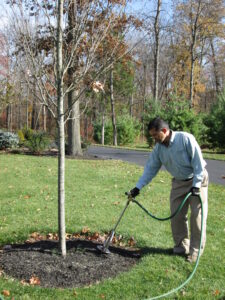
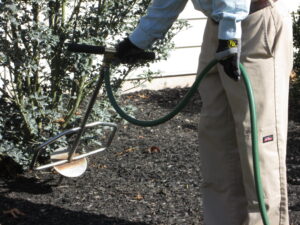
- Apply Correctly: Soil-injected fertilization is the gold standard application of ornamental trees and shrubs.
Don’t let the end of the growing season mark the end of your plant care. By taking a little time this fall to fertilize your trees and shrubs, you’re making a smart investment in the beauty and health of your landscape for years to come. Your plants will thank you with stunning growth and vibrant displays next spring. Contact us iIf you’re interested in adding tree and shrub fertilization to your plant care this year.
Frequently Asked Questions
Q: Do all trees and shrubs need to be fertilized?
A: Yes, all the trees and shrubs in a person’s landscape should be fertilized. Our residential plants have no other source of fertilizer, unlike plants naturally living in a forest.
Q: What is the best type of fertilizer for fall application?
A: A liquid, slow-release fertilizer is the best choice. Look for a blend that is higher in phosphorus (P) and potassium (K) compared to nitrogen (N). A lower nitrogen content is important to prevent new, tender growth that can be damaged by winter cold.
Q: Why hire a professional company to fertilize?
A: Professional companies, like Fairway Green, have access to specialized products and equipment that can provide a more effective treatment. We use a soil-injected fertilization process that reduces fertilizer runoff, increases soil aeration, and delivers nutrients directly to the plant’s root system. Our Fall Fertilizer treatment also includes biostimulants to further enhance plant health.
Q: What can impact the effectiveness of fertilizing trees and shrubs?
A: The effectiveness of fertilization is highly dependent on the overall health of your soil. Healthy soil isn’t just dirt; it’s a living ecosystem. Its physical, chemical, and biological properties all work together to determine how well a tree can access and utilize nutrients from a fertilizer application. For best results, it’s also recommended to routinely mulch landscape beds to improve soil health.